
Updated July 2026
Commercial Treatment Systems
Hotels, Guesthouses & b&Bs
EN 12566 & S.R. 66 certified
Home » Hotel Wastewater Treatment
Domestic systems · Ireland
Hotel, guesthouse and B&B wastewater treatment
Off-mains treatment systems for hotels, guesthouses, B&Bs and event venues across Ireland and Northern Ireland, sized around the full site load rather than room count alone.
Hotels, guesthouses, B&Bs and hospitality sites place changing demands on an off-mains wastewater treatment system. Daily flow may come from guest bedrooms, bathrooms, staff facilities, kitchens, restaurants, bars, laundry areas, weddings, conferences and seasonal changes in occupancy.
Where a hospitality property is not connected to the mains sewer, the treatment system must be assessed around the full site load. For a hotel, guesthouse or B&B, that means looking beyond the number of bedrooms and considering peak occupancy, staff use, catering, events, discharge route, ground conditions and any future expansion.
Tricel provides wastewater treatment systems for hospitality sites across the Republic of Ireland and Northern Ireland. The correct system depends on the site location, population equivalent, wastewater strength, discharge requirement, available space and whether the site falls under domestic, light commercial or commercial wastewater treatment.
Wastewater treatment for hotels, guesthouses and B&Bs
A hospitality wastewater treatment system treats sewage and wastewater from accommodation and guest facilities where a mains sewer connection is not available or suitable. This may include wastewater from:
- Guest bedrooms and ensuite bathrooms
- Shared bathrooms and guest toilets
- Staff toilets, changing areas and welfare facilities
- Commercial kitchens
- Breakfast rooms, cafés, restaurants and bars
- Laundry areas
- Wedding and event spaces
- Conference or meeting rooms
- Leisure facilities, where relevant
A small B&B may have a very different wastewater profile to a large hotel with kitchens, events and high guest turnover. For that reason, the system should be selected from the site’s actual usage pattern, not from the property type alone.
Why hotel and guest accommodation wastewater needs careful design
Wastewater from hospitality sites can vary throughout the day, week and year. A guesthouse may have steady weekend demand, while a hotel with weddings, conferences or restaurant trade may experience short periods of much higher flow.
Peak use matters because overloading a treatment plant can affect final effluent quality. BOD, ammonia and suspended solids are key parameters that can increase when peak flows and loading are not correctly managed, and fats, oils and grease from on-site catering are an important design consideration. A hospitality system should therefore account for both normal use and peak use, including full room occupancy, meal service, weddings and functions, conferences and group bookings, holiday and tourism peaks, seasonal closures, staff facilities and any future growth in site use.
Typical hospitality wastewater sources
| Wastewater source | Why it matters |
|---|---|
| Bedrooms and bathrooms | Usually the main source of guest wastewater. |
| Staff facilities | Add daily use beyond guest numbers. |
| Restaurant, café or bar | Can increase water use and organic loading. |
| Commercial kitchen | May introduce fats, oils and grease. |
| Laundry | Can increase hydraulic flow and detergent load. |
| Weddings and events | Can create short-term peaks in flow and loading. |
| Conference facilities | Can add large daytime peaks even without overnight guests. |
| Seasonal occupancy | Creates changing demand between quiet and busy periods. |
| Future extensions | Extra rooms or food service can change the required system size. |
Variable flows from weddings, conferences and seasonal demand
Hotels and larger guesthouses are rarely consistent in their wastewater output. A property may operate at lower occupancy during the week, then run at full capacity over weekends or holiday periods. A hotel with wedding, conference or function facilities may also have a large number of visitors on site for a short period, so the system should accommodate highly variable flows and loadings, with demand fluctuating by season.
For design purposes, the following should be reviewed:
- Average daily flow and maximum expected daily flow
- Peak hourly or event-related demand
- Off-season operating pattern and seasonal reopening after low use
- Whether the site has bedrooms only, or bedrooms plus public facilities
- Whether guests, non-resident diners and event visitors share the same system
This is especially important for rural hotels, coastal guesthouses, tourism properties and wedding venues where occupancy can change significantly across the year.
Kitchen wastewater, FOG and COD
Hotels, B&Bs and guesthouses with food service should include kitchen wastewater in the treatment review. Even a small breakfast kitchen can affect the system if the wastewater is not managed correctly. Fats, oils and grease, often shortened to FOG, can affect pipework, treatment performance and maintenance requirements, and kitchen wastewater can affect final effluent requirements, including ammonia and COD.
For hospitality sites with catering, the design review should consider:
- Whether the site has a breakfast room, café, restaurant, bar or full commercial kitchen
- Number of meals served per day
- Whether non-residents use the restaurant or function room
- Grease management requirements and maintenance access
- Whether pretreatment or an additional treatment stage is required
- Whether licence or consent conditions include ammonia, COD, BOD or suspended solids limits
Kitchen wastewater should not be treated as an afterthought. It should be included from the start when assessing the correct wastewater system.
BOD, ammonia and suspended solids
A hospitality wastewater treatment system may need to meet specific discharge requirements depending on the site and approval route. In practical terms:
- BOD relates to the organic load in the wastewater.
- Ammonia can be a key consent or licence parameter, especially on sensitive sites.
- Suspended solids are particles that must be reduced during treatment.
- COD may be relevant where kitchen or commercial wastewater strength is higher.
- FOG should be controlled before it causes operational or treatment issues.
The required treatment level should always be confirmed from the site assessment, discharge route and any local authority, EPA, NIEA or licence requirements.
Choosing between Novo and Maxus for hospitality sites
The correct Tricel product route depends on the calculated population equivalent (PE) and the site’s wastewater profile.
For some smaller guesthouses, B&Bs or small hotels, Tricel Novo may be relevant where the calculated load is within range and the site assessment supports it; the Novo range is listed as 1–50 PE. For larger hotel and hospitality applications, Tricel Maxus is the commercial range for projects over 50 PE.
| Site type | Likely route |
|---|---|
| Small B&B | Assess PE, guest use, staff use and breakfast/kitchen load. |
| Guesthouse | Assess whether the use is domestic, light commercial or commercial. |
| Small hotel | Novo may be relevant up to 50 PE, subject to assessment. |
| Hotel above 50 PE | Review Tricel Maxus commercial wastewater treatment. |
| Hotel with restaurant or events | Include catering, event visitors, peak flows and FOG. |
| Wedding or conference venue | Assess peak visitor load, not only overnight guests. |
| Existing hotel with septic tank | Review whether the current system still suits the site load. |
The product should not be selected by room count alone. It should be selected after PE, daily flow, wastewater strength, discharge route and site constraints are reviewed.
Tricel Novo
For smaller hospitality properties — small guesthouses, B&Bs, small hotels and accommodation-only sites — where the calculated load is within range and site conditions are suitable. Novo treats wastewater across three independent zones, with a reported average 95.9% BOD removal.
Commercial kitchens, public restaurant use, events, staff facilities or seasonal peaks may move a site into a different design route, so suitability should be checked carefully.
View Tricel Novo →Tricel Maxus
The commercial and small-community range for hospitality sites above 50 PE. It can be configured to suit different site requirements and is suited to seasonal and constant loads, with the control panel adjusting as incoming loads increase.
Suggested range
Tricel Maxus for commercial hospitality
For many hospitality projects above 50 PE, Maxus is the relevant commercial range, using Submerged Aerated Filter technology with settlement, buffering, biological treatment and clarification stages.
Repairing or upgrading an existing hotel wastewater system
Many rural hotels, older guesthouses and B&Bs may already have a septic tank or older treatment system on site. That system may have been suitable when the property had fewer rooms or no commercial kitchen, but it may no longer suit the current use. A review may be needed if the property has:
- Added bedrooms or guest accommodation
- Changed from private domestic use to B&B or guesthouse use
- Added a restaurant, bar or commercial kitchen
- Started hosting weddings, events or conferences
- Increased staff facilities
- Experienced drainage, odour or maintenance issues
- Had problems with the percolation area
- Received planning, compliance or discharge-related requirements
- Reopened or expanded after a period of low use
If an existing septic tank or treatment plant is not performing correctly, the first step is to assess the system, the discharge route and any risk to nearby wells, watercourses, groundwater or sensitive areas. A long-term upgrade may be more appropriate than repeated repairs where the existing system is undersized, overloaded or no longer suitable for the site use.
Ireland and Northern Ireland: confirm the site location first
Wastewater requirements differ between the Republic of Ireland and Northern Ireland, so the site location should be confirmed before product selection.
Republic of Ireland
The EPA Code of Practice applies to domestic wastewater treatment systems with a population equivalent of 10 or fewer. Because hotels, guesthouses and B&Bs can exceed domestic use or include commercial activities, they should not automatically be treated as standard domestic projects.
Northern Ireland
Private sewage treatment systems, including septic tanks and package treatment plants, require consent to discharge from the Northern Ireland Environment Agency.
Before selecting a system, confirm whether the site is in the Republic of Ireland or Northern Ireland; whether the property is domestic, light commercial or commercial; the calculated PE; the discharge route; any planning, consent or licence requirements; any site-specific treatment limits; and whether additional secondary, tertiary or polishing treatment is required.
Key design factors for hotel, guesthouse and B&B wastewater treatment
| Design factor | What to check |
|---|---|
| Property type | Hotel, guesthouse, B&B, restaurant with rooms, wedding venue or mixed-use site. |
| Number of rooms | Guest bedrooms, family rooms, staff rooms and occupancy assumptions. |
| Maximum occupancy | Peak number of people using the system. |
| Staff numbers | Full-time, part-time and seasonal staff. |
| Catering use | Breakfast only, restaurant, bar, events or commercial kitchen. |
| Events | Weddings, conferences, functions and visitor numbers. |
| Daily wastewater volume | Average and peak daily flow. |
| Seasonal demand | Tourist season, closures, quiet months and peak periods. |
| Wastewater strength | BOD, COD, ammonia, suspended solids and FOG where relevant. |
| Existing system | Septic tank, treatment plant, percolation area or other drainage. |
| Discharge route | Ground, percolation area, polishing filter, watercourse or other approved route. |
| Site constraints | Space, levels, access, ground conditions and water table. |
| Compliance requirements | EPA, local authority, NIEA or licence/consent conditions. |
| Future development | Additional rooms, restaurant expansion, spa, leisure or events. |
Not sure which system is right for your site?
A site assessment, rather than product preference, determines whether a septic tank or wastewater treatment plant is the correct route for your project.
What information is needed for a quote?
- Site location and jurisdiction
- Property type
- Number of bedrooms
- Maximum guest occupancy
- Number of staff and any staff accommodation
- Type of catering
- Number of meals served per day, where known
- Event or wedding capacity
- Conference or meeting room capacity
- Laundry use, if present
- Seasonal operating pattern and peak periods
- Existing system details, if replacing
- Available installation space, levels and access
- Proposed discharge route
- Any known planning, consent or licence requirements
Installation and site constraints
Hotels, guesthouses and B&Bs may have limited installation space, especially where the site is already developed or has landscaping, parking, access roads or guest areas. The design may need to consider:
- Available excavation area
- Safe access for installation and maintenance
- Distance from buildings, boundaries, wells and watercourses
- Groundwater and bedrock depth
- Percolation area or polishing filter requirements
- Whether gravity flow is possible or a pumping station is needed
- Odour control and location away from guest-facing areas
- Future access for desludging and servicing
A site-specific review is important before selecting the final system.
Maintenance for hospitality wastewater system
Hospitality sites should plan for regular maintenance, because wastewater loading can change quickly during busy periods. Maintenance planning should include routine servicing, a desludging schedule, grease management, visual checks and alarms, inspection of pumps, blowers or control panels where fitted, a review after seasonal reopening, records required for consent or site management, and checks before peak periods such as weddings or tourist season. Tricel recommends maintaining wastewater treatment systems, and maintenance contracts may be available.
Good system use also matters. Staff should understand what should not enter the drainage system, particularly in kitchens, laundry areas and guest bathrooms.
When additional treatment may be needed
Some hospitality sites may need more than a standard treatment plant. Additional treatment may be required where the site is sensitive, space is limited, the discharge route requires a higher final effluent standard, or licence conditions are more stringent. Additional elements may include secondary or tertiary treatment, a sand polishing filter, a pumping station, flow balancing, grease management, ammonia reduction measures, or site-specific process design for COD, BOD or suspended solids. The correct route should be based on the site assessment, treatment requirements and the relevant approval process.
Table of Contents
Meet our team
To find a technician in your area, visit our page
TALK SEWAGE TREATMENT
To speak to one of our agents online, click here
ASK FOR A QUOTE
Request a free quote today to have a quote that meets your project!
Our range of products
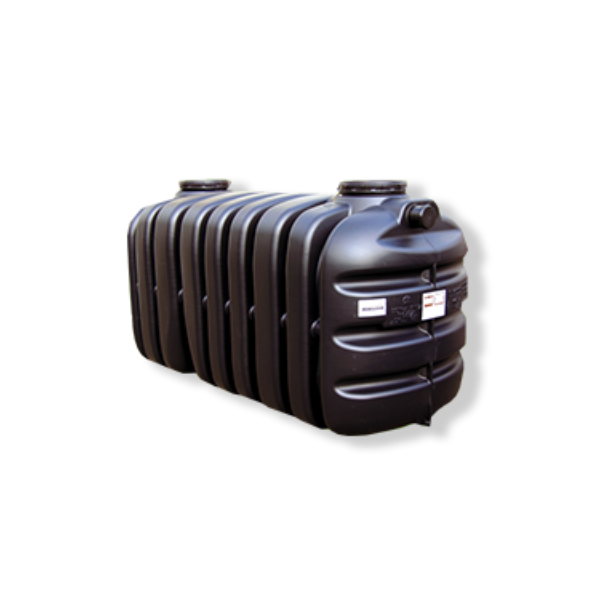
Tricel Vento Septic Tank
Shallow dig tank, strong & robust underground tank, No electrical or moving parts. Ideal for sites with good drainage & plenty of space.
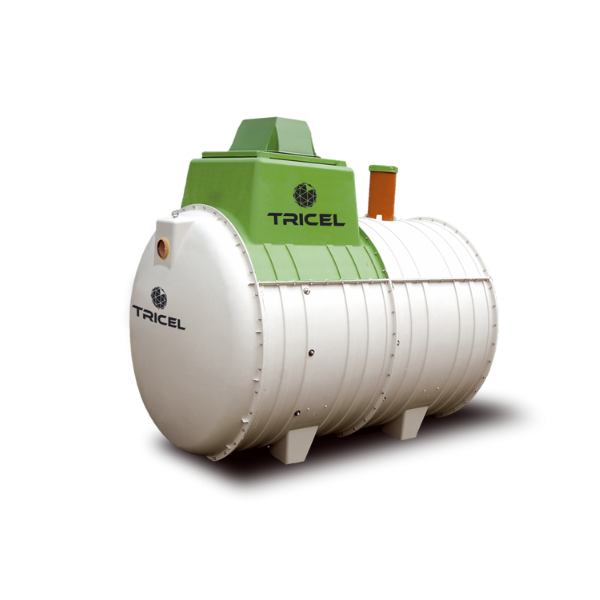
Tricel Novo Sewage Treatment Plant
Durable & long lasting SMC tank, shallow dig tank, easy installation (Plug and Play), long life components.
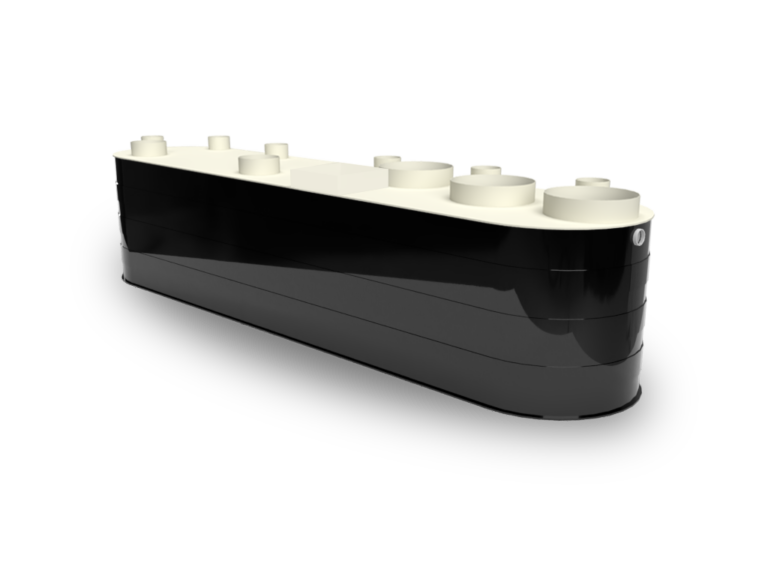
Tricel Maxus Sewage Treatment Plant
Commercial plant. Submerged Aerated Filter (SAF) technology. Ideal for project over 50 PE.
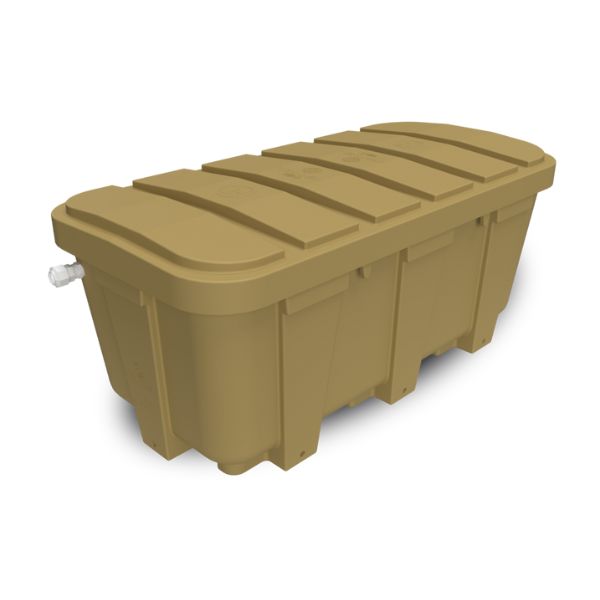
Tricel Tero Tertiary Treatment
An eco-friendly and modular system with proven E.Coli Treatment capabilities in line with the new EPA requirements.
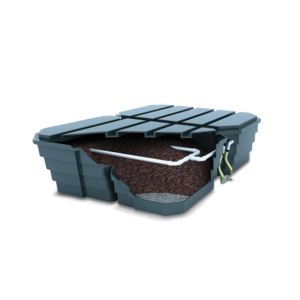
Tricel Puraflo Secondary treatment plant
Ideal for sensitive sites, compliant to Irish Standard, small footprint.
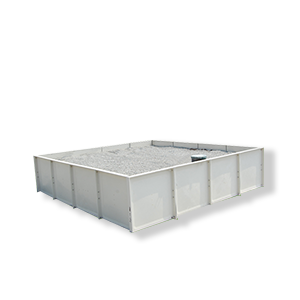
Tricel Sandcel
Sand Polishing Filter
Provides a dual function of polishing the effluent from a wastewater treatment system and disposing it into groundwater.
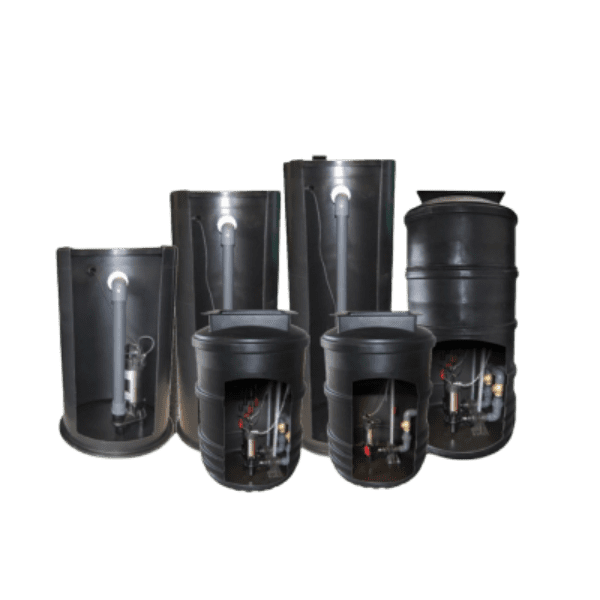
Tricel Pumping Stations
Pump fluids from one place to another where gravity drainage cannot be used, easy and trouble-free installation
Frequently asked questions for Hotels, Guesthouses & B&Bs
What is hotel wastewater treatment?
Hotel wastewater treatment is the treatment of sewage and wastewater from a hotel, guesthouse, B&B or hospitality property where the site is not connected to the mains sewer. It can include wastewater from bedrooms, bathrooms, kitchens, staff facilities, events, laundry and restaurants.
Is a guesthouse or B&B classed as domestic or commercial wastewater?
It depends on the site use, population equivalent, catering activity and jurisdiction. A small B&B may be assessed differently from a hotel with a restaurant or events. Guesthouses and B&Bs should not automatically be treated as standard domestic properties without checking the site load.
How is a hotel wastewater treatment plant sized?
Using the calculated population equivalent, daily flow, peak occupancy, staff numbers, kitchen use, event capacity, wastewater strength and discharge route. Room count alone is not enough for accurate sizing.
What Tricel system is suitable for a small guesthouse or B&B?
Tricel Novo may be relevant for smaller guesthouses, B&Bs or small hotels where the calculated load is within the 1–50 PE range and the site assessment supports it. The correct product should be confirmed after reviewing the site and wastewater profile.
What Tricel system is suitable for larger hotels?
For hotel and hospitality sites above 50 PE, Tricel Maxus is the relevant commercial range. It is used for commercial and small-community applications and can be assessed for hotels, wedding venues and larger guest accommodation sites.
Can a wastewater treatment plant handle seasonal hotel occupancy?
A correctly selected system should account for both lower-use periods and peak seasonal demand. Seasonal occupancy is an important design factor for hotels, guesthouses, B&Bs, campsites and tourism properties.
Do weddings and conferences affect wastewater treatment design?
Yes. Weddings, conferences and functions can create short-term peaks in flow and wastewater load. These visitors should be included in the design review, even if they are not overnight guests.
Do hotel kitchens affect wastewater treatment?
Yes. Hotel kitchens, restaurants and breakfast rooms can add fats, oils, grease and higher organic loading. Kitchen wastewater should be included when the system is assessed and sized.
What are BOD, ammonia and suspended solids?
BOD relates to the organic strength of wastewater. Ammonia and suspended solids are common quality parameters that may be relevant to final effluent requirements. The required levels depend on the site and its discharge conditions.
Does a hotel in Ireland fall under the EPA domestic Code of Practice?
The EPA Code of Practice applies to domestic wastewater treatment systems with a population equivalent of 10 or fewer. Many hotels, guesthouses and B&Bs exceed standard domestic use or include commercial activity, so they should be assessed according to the actual site load and approval route.
Do hotels in Northern Ireland need consent to discharge?
In Northern Ireland, private sewage treatment systems, including septic tanks and package treatment plants, require consent from the Northern Ireland Environment Agency.
Can an existing hotel septic tank be upgraded?
Yes, but the current system must be assessed first. If the property has expanded, added catering, added bedrooms or started hosting events, the existing septic tank may no longer suit the site load. A replacement plant or additional treatment stage may be required.
Get in touch