
Home » Rural Business Wastewater Treatment | Tricel Ireland
Updated July 2026
RoI & NI coverage
Washdown assessed
Mixed-source sizing
Commercial Wastewater systems · Ireland & Northern Ireland
Rural business wastewater treatment
Off-mains wastewater treatment for rural commercial sites with staff, visitors, washdown areas, toilets, cafés or mixed-use facilities — garden centres, farm shops, equestrian centres, depots, workshops, remote offices and mixed-use rural enterprises. Sized around the full site use, not just the main building.
Key points
- Rural commercial sites usually combine several wastewater sources — staff and visitor toilets, welfare facilities, sometimes a café, and often washdown or yard drainage — so the system is sized on the whole site, not one building.
- Washdown and yard water is the key judgement call: contaminated washdown (oils, chemicals, animal or process residue) must not be assumed suitable for a standard treatment plant, and may need separation, pre-treatment or a different route.
- Above 50 PE, Tricel Maxus is the usual commercial route; smaller staff-only sites within range may be reviewed against Tricel Novo — confirmed by site assessment.
- Site location (Republic of Ireland or Northern Ireland) sets the regulatory route and must be confirmed first.
- Sensitive or space-limited rural sites may need tertiary treatment or a polishing filter, and a discreet, accessible layout.
Many rural businesses operate outside the public sewer network. Where a mains connection is not available, the business may need an on-site system to collect, treat and discharge wastewater safely through an approved route.
Rural business sites often have more complex requirements than a single domestic property. A site may include staff toilets, visitor toilets, a café, food preparation, offices, workshops, washdown areas, retail space, public facilities, outdoor yards, accommodation, a private dwelling or future expansion plans. The system should be sized around the full site use, not just the main building. Key design factors are site location, business type, population equivalent (PE), staff and visitor numbers, public toilet use, kitchen or café activity, washdown arrangements, wastewater strength, discharge route, ground conditions, access and long-term maintenance.
Is this page right for your site?
This page is for rural businesses and mixed-use commercial sites where the load is more than a single domestic dwelling but does not fit neatly into one sector:
- Sports clubs and GAA clubs
- Rugby, football and athletics clubs
- Golf club support buildings
- Changing-room blocks and clubhouses
- Visitor centres and tourist attractions
- Heritage sites and activity centres
- Public toilet blocks
- Community, parish and village halls
- Churches and rural meeting halls
- Multi-use public facilities
- Sites with occasional events or gatherings
- Facilities with undersized or failing systems
Looking for something more specific? If food service is the main activity — a restaurant, café or pub — start with the restaurant, café and pub wastewater treatment page. For a visitor centre, tourist attraction, community hall or sports club, use the sports club and community facility wastewater treatment page. For a hotel or guest accommodation, use the hotel wastewater treatment page. This page focuses on rural commercial and mixed-use sites where those single-sector pages don’t quite fit.
Why rural businesses need a different approach
A rural business can be difficult to size because the load may come from several sources at once. A garden centre may combine retail areas, public toilets, staff facilities, a café, storage buildings and outdoor areas. A farm shop may combine toilets, a kitchen, food preparation, staff areas and visitor parking. An equestrian centre may combine toilets, staff welfare, washdown areas and occasional events. A depot may combine offices, staff toilets, showers, workshops and vehicle or equipment washdown.
These sites share three challenges: mixed sources of wastewater, irregular or changing daily use, and rural site conditions affecting discharge. A system should be reviewed around actual use, not building size or business category alone.
Main wastewater sources to include
The design should include every source that drains to the same system.
Staff toilets and welfare
Most sites have staff toilets and handwashing; larger sites add kitchens, canteens, showers or changing areas. Staff numbers, shift patterns and hours feed the sizing review.
Visitor toilets
Garden centres, farm shops and equestrian centres may provide customer toilets. Visitor use peaks at weekends, holidays, open days and tourist periods.
Cafés and food prep
Kitchen wastewater carries food solids, fats, oils, grease and detergents — a different, stronger flow. If a café is the main activity, see the linked food-service page below.
Washdown and yards
Boot, equipment, vehicle, yard or animal-related washdown may not be ordinary sanitary wastewater and often needs separate review — covered in detail below.
Offices and depots
Remote offices and depots produce fairly predictable flow from toilets, sinks, kitchens and welfare areas — but above the domestic route, still assessed as commercial.
Mixed residential and commercial
Some sites include a house, staff or guest accommodation and retail or commercial buildings on one shared system. The combined load must be reviewed together.
Washdown and yard wastewater
Washdown is the single most important judgement on many rural sites, and the point most often missed. Not every washdown source should connect to the same treatment system used for toilets, kitchens and staff welfare. Washdown water varies significantly depending on what is being washed, whether solids are present, whether oils or chemicals are involved, and whether animal or yard contamination is present. Routing the wrong flow into a biological treatment plant can overwhelm or poison the process it depends on.
Sources that need review before they are connected include:
- Vehicle washdown
- Equipment washdown
- Yard washdown and runoff
- Animal-related washdown
- Workshop cleaning
- Boot washing
- Production or process-area cleaning
- Plant-room or storage-area cleaning
For each, the project designer should confirm whether it can enter the wastewater treatment system at all, whether pre-treatment (for example, an interceptor or separator) is required first, or whether a separate drainage route is needed. Manure-contaminated water, silage effluent and yard runoff in particular are usually managed under separate agricultural rules and should not be assumed suitable for a sanitary treatment plant.
Regulatory note — trade effluent. Where a site connects to a public sewer rather than an off-mains system, washdown or process water may count as trade effluent. Uisce Éireann states that a trade effluent discharge to public sewer licence is a legal requirement where a business discharges trade effluent, defined as liquid waste from a business premises to the public sewers, excluding domestic sewage and sanitary wastewater. Confirm whether a washdown or process flow falls within this regime as part of the site review.
Wastewater by rural business type
Garden centre
Garden centres are a clear example of mixed-use rural design, typically combining staff and customer toilets, retail and plant-sales areas, potting or production areas, a café or tea room, outdoor yards, storage, visitor parking and seasonal peaks — often with expansion plans. The load is spread across sources and rises sharply in spring and at weekends, so it should be sized on the busiest realistic day and with headroom for growth.
Farm shop
A farm shop may need treatment where it has public toilets, staff facilities, food preparation, a café, butchery, bakery or deli counter. Load varies with visitor and staff numbers, opening hours, public toilet provision, kitchen activity, cleaning routines, seasonal peaks and whether markets or events are held on site. A small staff-only shop is a different proposition from one with a café and public toilets.
Equestrian centre
Equestrian centres, riding schools and stable yards combine staff and visitor toilets, changing and shower facilities, wash-hand basins, sometimes a tea room, office buildings, event-day visitors and washdown areas — occasionally with accommodation. The sanitary and commercial load (toilets, welfare, any catering) is designed as one system, while animal-related washdown, yard runoff and manure-contaminated water are reviewed separately, as above. Competitions, lessons and open days add event peaks.
Remote office, depot and workshop
These sites may have few visitors but still need a properly sized system for staff facilities — toilets, handwashing, staff kitchen or canteen, showers or changing, and workshop sinks. Where flow is limited to sanitary and welfare use, the system can be relatively straightforward. Where the site adds washdown, oils, chemicals, process water or vehicle-related drainage, those flows are reviewed separately and not assumed suitable for a standard plant.
Mixed-use rural enterprise
Many rural sites grow gradually — a house or farm building later adds a shop, café, office, public toilets, storage or visitor activity, and the original system was never designed for it. Mixed-use sites are reviewed as a whole: what buildings drain to the system, whether a dwelling is connected, whether there are visitor toilets, a café, staff showers, workshop or depot activity, washdown areas, event days or seasonal peaks, and whether the existing system is still suitable. Where several buildings connect to one system, total PE is calculated from all relevant sources.
How rural business systems are sized
Sizing uses a project-specific review, with PE (population equivalent) as the key measure — a standard way of expressing the wastewater and organic load a site is expected to produce. The review should include:
- Site type and number of buildings
- Staff and visitor numbers
- Customer and staff toilets
- Kitchens or cafés and food preparation
- Washdown areas
- Workshops or depots
- Daily flow and peak-use periods
- Wastewater strength
- Calculated PE
- Existing system capacity
- Discharge route and site layout
- Ground conditions
- Pumping requirements
- Future expansion
Why average use is not enough
Rural businesses have uneven demand. A garden centre is busiest at weekends and in spring; a farm shop peaks during markets, Christmas trading and holidays; an equestrian centre peaks during competitions; a depot has predictable weekday use but higher demand at shift changes; a workshop may have low sanitary flow but separate drainage concerns from cleaning or process activity. The system should be reviewed against normal daily use, peak and event days, seasonal periods, shift changes, low-use periods and future expansion — especially where steady staff use combines with occasional public demand.
Public sewer connection or off-mains treatment?
The first step is to check whether a public sewer connection is available. Where none is available, an off-mains system may be needed — wastewater collected and treated on the property before discharge through an approved route. This is common for garden centres, farm shops, equestrian centres, depots, workshops and visitor-based rural enterprises. The discharge route may be to ground, a watercourse or another approved route, depending on the site assessment, ground conditions and consent requirements. Sensitive sites, restricted ground or high water tables may need further treatment or polishing.
Republic of Ireland and Northern Ireland requirements differ
In the Republic of Ireland, domestic wastewater treatment systems with a population equivalent of 10 or fewer are assessed under the EPA’s 2021 Code of Practice. A rural business should not automatically be treated as a domestic project: staff, visitors, public toilets, cafés, washdown areas, workshops and mixed commercial activity can move the site beyond the domestic route and change the system requirements.
In Northern Ireland, DAERA states that private sewage treatment systems, including septic tanks and package treatment plants, require consent from the Northern Ireland Environment Agency, and that commercial premises not connected to the public sewer fall under this consent regime. The product, consent and discharge requirements can differ from the Republic of Ireland, so confirm the location before selecting a system.
Before choosing a system, confirm the jurisdiction, public sewer availability, whether the project is domestic, light commercial or commercial, the calculated PE, the discharge route, ground conditions, planning or consent requirements, and whether tertiary treatment or pumping is required.
Which Tricel system suits your facility?
The correct product depends on the calculated PE, site use, discharge route and treatment requirement.
Up to 50 PE
Tricel Novo — smaller or light commercial
A small remote office, modest rural shop, small farm shop or staff-only facility may be reviewed against the Novo range (1–50 PE), subject to the site assessment and discharge requirements.
View Novo rangeAbove 50 PE
Tricel Maxus — larger rural commercial
For larger commercial and mixed-use sites above 50 PE, Maxus is the main route, using Submerged Aerated Filter technology. A garden centre, farm shop with café, visitor-heavy enterprise, equestrian centre with events or mixed-use site may need Maxus where the calculated PE exceeds the smaller-system range. View Tricel Maxus
View Maxus rangeSome sites need additional treatment after the main plant. Sensitive sites, high water tables and nutrient-sensitive catchments may call for tertiary treatment or a Sandcel polishing filter.
Product route by rural business type
| Site type | Likely starting point | Main sizing factors |
|---|---|---|
| Small remote office | Tricel Novo may be reviewed | Staff toilets, working hours, kitchen use, discharge route |
| Rural depot | Tricel Novo or Maxus | Staff welfare, showers, washdown, workshop activity, PE |
| Garden centre | Tricel Novo or Maxus | Visitors, public toilets, café, staff, seasonal demand, expansion |
| Farm shop | Tricel Novo or Maxus | Public toilets, food preparation, café, staff, visitor peaks |
| Equestrian centre | Tricel Novo or Maxus | Staff, visitors, toilets, events, washdown separation |
| Mixed-use rural enterprise | Project-specific review | Combined load from all buildings and activities |
| Larger rural site above 50 PE | Tricel Maxus | Commercial load, discharge route, treatment level, expansion |
This table is a starting guide only. Final selection should be confirmed after reviewing the site assessment, calculated PE, wastewater profile and discharge requirements.
Site layout, visual impact and pumping
Rural business sites often need the system to fit a sensitive or space-limited setting without affecting customer areas. Layout should consider available space, customer and vehicle access, tanker access for desludging, service access, distance from buildings, site levels, landscape areas, future expansion, and avoiding disruption to trade during installation and maintenance. On landscaped sites, a polishing filter area can sometimes be integrated into planted ground.
Some sites need pumping where gravity drainage is not possible — where the plant sits higher than the building outlet, buildings sit at different levels, the discharge area is above the plant, the layout prevents a gravity route, or the system must be located away from customer areas. Pumping affects electrical supply, alarms, access and maintenance, so it should be reviewed early. See pumping stations for more.
Maintenance and replacing an old system
Rural business systems need clear maintenance planning. The operator should know what system is installed, what can and cannot enter the drains, how grease management is maintained, how often desludging is required, who services the system, how alarms are checked, and who keeps records. For businesses with staff turnover, seasonal workers or several managers, written wastewater procedures help prevent misuse.
Many rural sites have grown beyond the system originally installed. A tank sized for a farmhouse, yard or small shop may no longer suit the site after adding public toilets, staff welfare, a café, retail space, a depot, offices, workshops, event areas, accommodation or further buildings. An old septic tank or small plant should not be assumed suitable for the new use — it should be checked against the current and planned load.
Case study: garden centre wastewater treatment
Kells Bay House and Gardens in Co. Kerry is a good illustration of why a mixed-use rural site needs its wastewater sources reviewed together rather than one building at a time.
Kells Bay House and Gardens, Co. Kerry
Set on the Ring of Kerry and known for its subtropical gardens and rope bridge, Kells Bay is a garden centre and visitor attraction with several wastewater sources on one site — the garden centre itself, a hotel, residential houses and potential future expansion. Tricel had previously supplied two Tricel Novo plants here, one serving the hotel and one serving two houses.
To bring these together, a Tricel Maxus commercial system was installed to consolidate the site’s wastewater into a single solution. Because of the shallow depth of soil and the coastal location, a high standard of treated effluent was required, so a Sandcel sand polishing filter was added as tertiary treatment. Space and appearance mattered on a working visitor garden, and the Sandcel allowed the treatment area to be integrated into the landscape — the owner planned to plant wildflowers over it. The engineering was carried out with Reeks Consulting Engineers, Killarney.
It is a clear example of the mixed-source, sensitive-site, space-limited design this page describes: multiple buildings consolidated onto one commercial plant, tertiary polishing for a coastal setting, and a layout chosen to protect the customer-facing gardens.
Information Tricel needs to review your project
- Site location and jurisdiction (RoI or NI)
- Business type
- New build, upgrade or replacement
- Number of buildings and site layout
- Existing wastewater system details
- Staff and visitor numbers
- Opening hours
- Public and staff toilet numbers
- Café or kitchen and food-prep details
- Washdown activity
- Workshop or depot activity
- Existing or proposed discharge route
- Ground conditions / percolation results
- Calculated PE, if available
- Pumping requirements
- Planning or authority correspondence
- Future expansion plans
The more complete the site information, the easier it is to recommend the correct wastewater route.
Speak to Tricel about your rural business wastewater project
Planning wastewater treatment for a garden centre, farm shop, equestrian centre, remote office, depot, workshop or mixed-use rural business? Send Tricel your site details, staff and visitor numbers, toilet provision, café or kitchen details, washdown activity, discharge route, ground conditions and any authority correspondence, and the team can review whether Tricel Novo, Tricel Maxus, Sandcel or another arrangement is the correct starting point.
Table of Contents
Why choose Tricel?
Irish manufacturing. Nationwide support. Guaranteed compliance.
Tricel has manufactured wastewater treatment systems in Ireland since 1973, from its facility in Killarney, Co. Kerry. The Vento septic tank range and Novo treatment plant range are certified to EN 12566 for installations from single homes up to 50+ population equivalent.
A nationwide network of approved distributors and installers, backed by Tricel's own technical sales team, covers supply, installation, commissioning and servicing across every county.
Quality
Manufactured in Killarney, Co. Kerry. The Novo tank is built from compression-moulded SMC — a composite material proven over 50 years in harsh operating conditions.
- EN 12566-1 (septic tanks) and EN 12566-3 (treatment plants) certified
- Independently tested by PIA GmbH, Aachen, Germany
Efficiency
The Tricel Novo treats wastewater across three independent zones, reaching an average 95.9% BOD removal — a higher standard of treatment than a septic tank alone.
- No moving parts or pumps inside the tank
- Ceramic diffuser lasts twice as long as standard rubber equivalents
Support
A nationwide network of approved distributors and installers, with a dedicated technical sales team on hand for sizing, site queries and project support.
- County-based distributor network across Ireland
- Direct technical support from Tricel's own team
Maintenance
Servicing and technical advice available directly from Tricel's environmental team, for the lifetime of your system.
- 10-year warranty on the Vento septic tank
- Call 064 663 2421 for servicing or technical advice
Related pages
Everything else you might need
Tricel Maxus commercial wastewater treatment
Commercial wastewater treatment for larger rural businesses, garden centres, depots, visitor sites and shared off-mains projects.
View Maxus range →Tricel Novo wastewater treatment plant
Wastewater treatment plant range for domestic, larger domestic and light commercial applications.
View Novo range →Restaurant, café and pub wastewater treatment
Guidance for rural cafés, farm shops, food-service sites, pubs and kitchens.
View food-service guidance →Sports club and community facility wastewater treatment
Guidance for public toilets, visitor facilities, changing rooms, halls and intermittent-use sites.
View community facility guidance →Hotel and hospitality wastewater treatment
Wastewater treatment guidance for guest accommodation, hospitality sites and visitor-based businesses.
View hospitality guidance →Sandcel sand polishing filter
Sand polishing filter information for sites requiring further treatment or polishing after the main wastewater treatment stage.
View Sandcel →Pumping stations
Pumping station information for sites where gravity drainage is not possible or where levels require pumped wastewater transfer.
View pumping stations →Wastewater treatment systems
An overview of Tricel wastewater treatment systems and the main product routes.
Browse systems →Our range of products
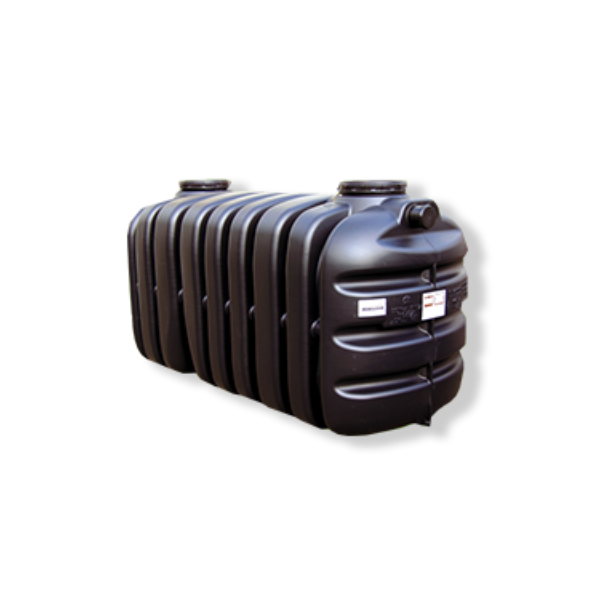
Tricel Vento Septic Tank
Shallow dig tank, strong & robust underground tank, No electrical or moving parts. Ideal for sites with good drainage & plenty of space.
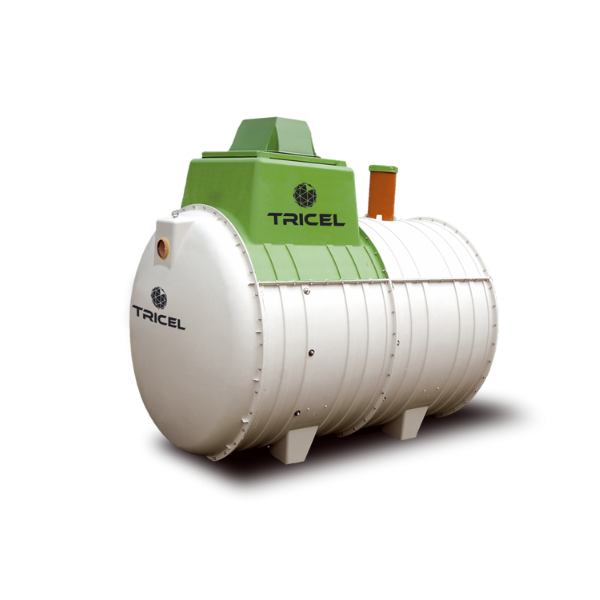
Tricel Novo Sewage Treatment Plant
Durable & long lasting SMC tank, shallow dig tank, easy installation (Plug and Play), long life components.
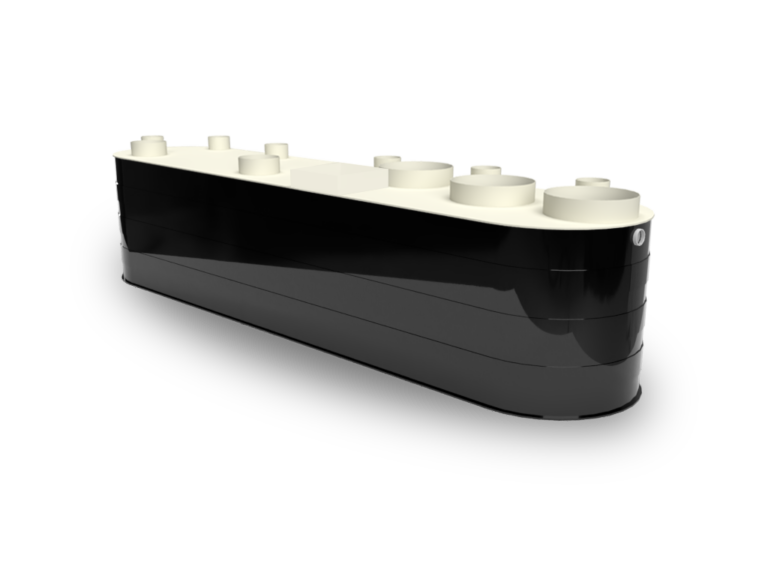
Tricel Maxus Sewage Treatment Plant
Commercial plant. Submerged Aerated Filter (SAF) technology. Ideal for project over 50 PE.
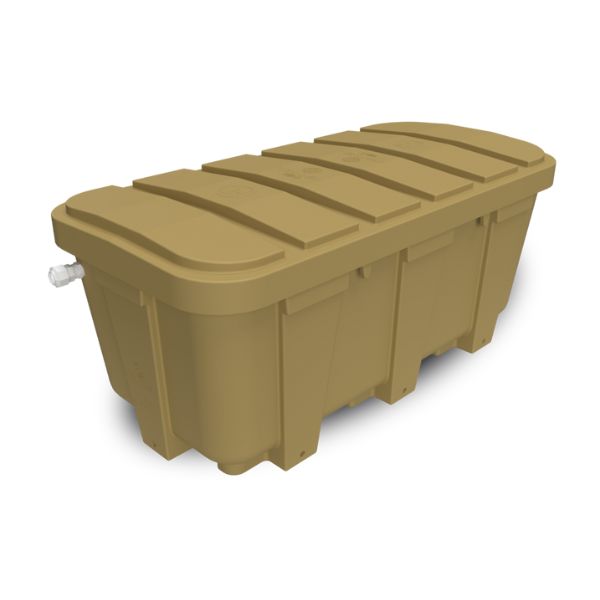
Tricel Tero Tertiary Treatment
An eco-friendly and modular system with proven E.Coli Treatment capabilities in line with the new EPA requirements.
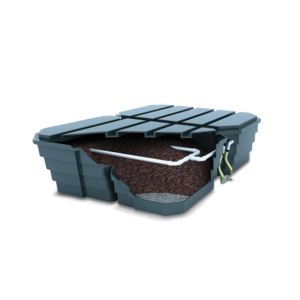
Tricel Puraflo Secondary treatment plant
Ideal for sensitive sites, compliant to Irish Standard, small footprint.
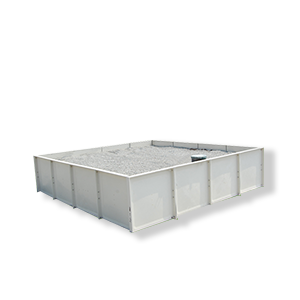
Tricel Sandcel
Sand Polishing Filter
Provides a dual function of polishing the effluent from a wastewater treatment system and disposing it into groundwater.
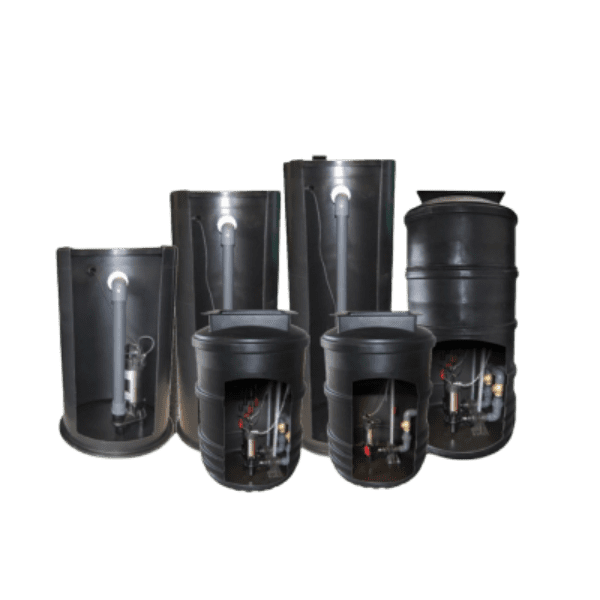
Tricel Pumping Stations
Pump fluids from one place to another where gravity drainage cannot be used, easy and trouble-free installation
Frequently asked questions for rural business wastewater treatment
What is rural business wastewater treatment?
It is the collection and treatment of wastewater from an off-mains commercial site such as a garden centre, farm shop, equestrian centre, depot, workshop, remote office or mixed-use rural enterprise.
How is a rural commercial wastewater system sized?
Around the calculated PE, staff and visitor numbers, toilets, kitchens or cafés, washdown areas, daily flow, wastewater strength, discharge route, ground conditions and future expansion plans.
Is a garden centre wastewater system different from a domestic system?
Yes. A garden centre may include staff facilities, public toilets, a café, visitor peaks, mixed buildings and future expansion, so it is reviewed as a commercial or mixed-use rural project rather than a standard domestic property.
Can a farm shop use a domestic wastewater treatment plant?
Possibly, if the calculated load and site assessment support it, but a farm shop with public toilets, food preparation or a café should be reviewed as a commercial or light commercial project.
Can washdown water go into the wastewater treatment system?
Not automatically. Washdown must be reviewed based on what is being washed and whether solids, oils, chemicals or animal-related contamination are present, and whether a separate drainage route or pre-treatment is required. Manure-contaminated water and yard runoff are usually managed under separate agricultural rules.
What Tricel system is suitable for a rural business?
Smaller or light commercial sites may be reviewed against Tricel Novo; larger sites above 50 PE are usually reviewed against Tricel Maxus. Some sites also need tertiary treatment or a polishing filter.
Does a rural business need a sand polishing filter?
Possibly. Sensitive sites, high water tables, nutrient-sensitive catchments or sites needing additional treatment may require tertiary treatment or polishing. The final decision follows the site assessment and discharge requirements.
Do cafés and farm shops need grease management?
Where food is prepared or cooked, grease management should be reviewed, as fats, oils and grease can affect pipes, pumps and the treatment process. The detailed grease guidance is on the restaurant, café and pub page.
What information is needed for a quote?
Usually the site location, business type, staff and visitor numbers, toilets, kitchen or café details, washdown information, existing system details, discharge route, site layout, ground conditions and any planning or authority requirements.
Get in touch