
Home » Sports Club & Community Facility Wastewater Treatment | Tricel Ireland
Updated July 2026
RoI & NI coverage
Peak-day design
Club-friendly maintenance
Commercial Wastewater systems · Ireland & Northern Ireland
Sports club and community facility wastewater treatment
Off-mains wastewater treatment for sports clubs, GAA clubs, visitor centres, community halls, churches and parish facilities. Sized around real site use — match-day peaks, public toilets, showers and events — not building size alone.
Key points
- Community, sports and visitor sites are quiet for long periods, then peak sharply during matches, services, events or tourist periods — so the system is sized on peak-day use, not average use.
- Changing rooms, showers and public toilets often drive a bigger load than the building size suggests, especially for sports and GAA clubs.
- Above 50 PE, Tricel Maxus is the usual commercial route; smaller sites within range may be reviewed against Tricel Novo — confirmed by site assessment.
- The site location (Republic of Ireland or Northern Ireland) sets the regulatory route and must be confirmed first.
- Because many sites are run by clubs, parishes or volunteers, maintenance access and clear responsibility should be planned in from the start.
Sports clubs, GAA clubs, community halls, churches, parish facilities and visitor attractions may need a dedicated wastewater treatment system where the site is not connected to a public sewer.
These facilities serve the public, local communities, members, players, visitors, volunteers and event attendees. Wastewater can come from toilets, changing rooms, showers, kitchens, cafés, tea stations, staff areas, cleaning activity and occasional event use. The correct treatment system depends on the type of facility, location, calculated population equivalent (PE), expected flow, peak-use pattern, discharge route and site conditions.
Choosing the correct system depends on the site, location, property type, ground conditions and discharge requirements. That is especially relevant for community and visitor sites, because usage is intermittent rather than constant.
Is this page right for your site?
This page is for off-mains community, sports and visitor facilities, including:
- Sports clubs and GAA clubs
- Rugby, football and athletics clubs
- Golf club support buildings
- Changing-room blocks and clubhouses
- Visitor centres and tourist attractions
- Heritage sites and activity centres
- Public toilet blocks
- Community, parish and village halls
- Churches and rural meeting halls
- Multi-use public facilities
- Sites with occasional events or gatherings
- Facilities with undersized or failing systems
If the site is mainly a hotel, restaurant, school, campsite or housing development, a more specific page may suit better. For a mixed-use rural facility, Tricel can review the site based on the full wastewater load.
Why these sites need a different wastewater approach
Community and visitor facilities are rarely used the same way every day. A sports club may have low weekday use, then heavy toilet and shower demand on match days. A GAA club may train during the week and draw larger crowds at weekend fixtures. A community hall may be quiet most mornings, then host meetings, classes, parties or parish events. A church may have a strong weekly peak around services, funerals, weddings and gatherings. A visitor centre may be busiest during weekends, school holidays and tourist periods.
These sites tend to share five wastewater features: intermittent use, short-duration peak demand, a public toilet load, changing-room or shower wastewater, and rural or off-mains locations. That pattern means the system must be selected carefully. Under-sizing creates overload at peak times. But oversizing without proper review can also cause treatment problems: an oversized plant may not receive enough regular flow to sustain the biological process. The aim is a system matched to real use, able to handle the peaks while still performing during quiet periods.
Main wastewater sources to include
Each source that drains to the same system should be included in the sizing review.The main factors that shape sizing are continuous load, high per-resident volume, laundry and kitchen strength, infection-control cleaning, and the need for dependable, low-disruption operation. Each source that drains to the same system should be included in the sizing review.
Public toilets
Often the main load on a visitor centre, church, hall or sports club. Review the number of toilets, urinals, hand basins and expected users. A block serving occasional events has a very different pattern from one used steadily every day.
Changing rooms
Clubs often have changing rooms for players, referees, coaches and visiting teams. These produce peak wastewater after matches or training — toilet use, handwashing, showers and cleaning combined.
Showers
Showers add significant hydraulic load. Several teams showering after a match create a short, concentrated peak. Shower numbers, expected users and timing should be in the design review.
Kitchens and tea stations
Many clubhouses, halls and parish facilities have a kitchen, tea station or catering area; visitor centres may have a café. Limited food prep means a modest load; regular catering or café use needs closer assessment.
Staff and volunteer facilities
Staff toilets, volunteer welfare areas and maintenance facilities add to the daily load. Small next to event-day demand, but still included.
Cleaning and washdown
Changing rooms, toilet blocks, kitchens and public areas need cleaning. Cleaning water and chemicals matter, particularly with regular events or heavy public use.
Sports club and GAA club wastewater treatment
Sports clubs and GAA clubs often need systems that cope with uneven demand. A site may have limited use on some days, then high use during matches, training nights, tournaments, finals, summer camps, fundraisers, community events and visiting-team fixtures. The system should be reviewed around the full club use — players, coaches, referees, spectators, staff, volunteers and visitors.
The main design questions for a GAA or sports club are: how many players use the site at peak times; how many teams may use changing rooms on the same day; whether showers are provided; how many spectators attend normal matches; the maximum event-day attendance; whether there are public toilets; whether there is a clubhouse bar or kitchen; whether there are camps, tournaments or public events; whether the site is used year-round; whether it can connect to a public sewer; and the proposed discharge route.
Design point. Sports clubs should not be sized on clubhouse floor area alone. Where several teams use the facility on the same day, shower and changing-room peaks can occur close together, and that match-day load is often more important than building size. Include the peak fixture schedule in the sizing review.
Visitor centre and tourist attraction wastewater treatment
Visitor centres and tourist attractions need systems that manage changing visitor numbers. A rural centre may be quiet on winter weekdays but much busier during weekends, school holidays and tourist periods, with short peaks around coach arrivals, guided tours or event times. Wastewater can come from visitor and staff toilets, cafés, small kitchens, gift-shop staff areas, cleaning, outdoor visitor facilities, group visits and seasonal demand.
The key issue is not just the average number of visitors. The design should consider peak-day visitor numbers, coach groups, event days and school tours, alongside any café or catering facilities. Where a visitor centre includes a café or restaurant, kitchen wastewater and grease management should be reviewed, and the restaurant, café and pub wastewater treatment page may also be relevant.
Community hall, church and parish facility wastewater treatment
Community halls, churches and parish facilities can have irregular but important peaks. They may host weekly services, parish events, weddings, funerals, community meetings, youth groups, exercise classes, local markets, private parties, fundraising events, seasonal gatherings and occasional catering. A church or parish hall may have low use for much of the week but high short-duration toilet demand after a service or event; a community hall may have repeated evening use and weekend events.
The design should consider maximum event attendance, the weekly use pattern, toilet provision, kitchen or tea-station use, catering arrangements, cleaning activity, whether the facility is shared with other groups, access for maintenance and desludging, and any future use or extension plans. In a rural location, a dedicated off-mains system may be required.
Intermittent use, peak-day and seasonal demand
Intermittent use is one of the main design challenges for these sites. A plant must treat wastewater effectively during normal use while also coping with short but intense higher-demand periods — full changing rooms after a match, public toilet use at half-time, a visitor coach arriving at once, a funeral or wedding at a church, a hall event with catering, a local festival, or a tournament with several teams on site. The system should be reviewed around realistic peak conditions, not only average daily use.
Seasonal variation is genuine for visitor centres, tourist attractions, activity centres and public toilet blocks in tourism locations. Unlike housing developments or care homes, a heritage site or trail centre may see much higher use in summer, school holidays and public holidays. The review should consider annual, peak-month and peak-day visitor numbers, coach groups, school tours, café use, public toilet provision, opening days and hours, and winter low-use periods. A plant that is too small may struggle at peak; one that is too large may not receive enough flow during quiet periods unless the design accounts for low-flow operation.
Which Tricel system suits your facility?
The correct system depends on the calculated PE, site use, discharge route and site conditions.
Up to 50 PE
Tricel Novo — smaller sites
Novo may be reviewed for smaller domestic, light commercial or semi-collective applications within range. A smaller community hall, church, changing-room block or visitor facility may fall here — but only after PE, use pattern and discharge route are checked.
View Novo rangeAbove 50 PE
Tricel Maxus — larger facilities
For projects above 50 PE, Maxus is the main commercial route, designed to treat wastewater from small communities and commercial properties. For larger sports clubs, GAA clubs, visitor centres, tourist attractions and multi-use community sites, Maxus is the likely starting point where the calculated PE exceeds 50.
View Maxus rangeProduct route by facility type
| Facility type | Likely starting point | Main sizing factors |
|---|---|---|
| Small church or parish hall | Tricel Novo may be reviewed | Toilets, event attendance, kitchen use, discharge route |
| Community hall with regular events | Novo or Maxus | Maximum attendance, catering, opening pattern, PE |
| Sports club changing rooms | Novo or Maxus | Players, showers, toilets, match-day peaks |
| GAA club with clubhouse | Maxus likely if above 50 PE | Teams, spectators, bar/kitchen, events, showers |
| Visitor centre | Novo or Maxus | Peak visitor numbers, staff, toilets, café use |
| Tourist attraction | Maxus likely for larger sites | Seasonal peaks, public toilets, café, coach groups |
| Public toilet block | Project-specific review | Fixture numbers, peak users, opening periods, discharge route |
| Mixed-use rural facility | Project-specific review | Combined load from all buildings and uses |
This table is a starting guide only. Final selection should be based on the calculated PE, site assessment, discharge route and authority requirement.
Public sewer connection or off-mains treatment?
Before selecting an on-site system, check whether connection to a public sewer is available. If it is not available, or the site is too remote for a practical connection, an off-mains system may be needed — common for rural GAA clubs, sports grounds outside towns, visitor attractions in scenic areas, trail centres, rural churches, parish halls, small community facilities and public toilet blocks serving outdoor amenities. Where the site is off-mains, the system must be reviewed around the discharge route: treated effluent may discharge to ground, a watercourse or another approved route, depending on the site assessment and consent requirements.
Republic of Ireland and Northern Ireland requirements differ
In the Republic of Ireland, the EPA’s 2021 Code of Practice for Domestic Waste Water Treatment Systems applies to domestic systems with a population equivalent of 10 or fewer, and provides guidance on site characterisation, design, installation and maintenance. A sports club, visitor centre, community hall or church should not automatically be treated as a single domestic project, especially where public toilets, changing rooms, showers, events or visitor use increase the calculated load.
In Northern Ireland, DAERA states that private sewage treatment systems, including septic tanks and package treatment plants, require consent from the Northern Ireland Environment Agency. This should be checked before selecting or installing a system for an off-mains community, sports or visitor facility.
Before choosing a system, confirm the jurisdiction, public sewer availability, property use, calculated PE, discharge route, planning conditions, consent requirements, site assessment requirements and maintenance responsibilities.
Pumping, discharge route and further treatment
Some rural facilities need pumping because of site levels or layout — where the plant cannot sit below the building by gravity, changing rooms are lower than the discharge area, the final discharge point is uphill, the site has several buildings at different levels, the system must be located away from public areas, or space near the building is limited. Pumps, alarms, control panels and service access should be planned into the site layout early.
The discharge route is central to system selection. Treated effluent may discharge to ground, a watercourse or another approved route, and some sites need additional treatment or polishing where ground conditions are difficult or the receiving environment is sensitive. The final arrangement should be confirmed by the site assessment, authority route and discharge requirements.
Maintenance and access
Community and visitor facility systems must be maintainable. The design should allow for safe access to covers, tanker access for desludging, service access to pumps and control panels, alarm visibility, access without disrupting public use, clear maintenance responsibilities, written service records, inspection of final discharge or polishing areas, and room for future upgrades where appropriate.
This matters especially where a site is run by a club committee, parish group, community organisation or volunteers. Clear ownership and a maintenance plan reduce the risk of system neglect — a common cause of premature failure on volunteer-run sites, where responsibility can lapse as committees change.
Replacing an old septic tank or undersized system
Many community facilities were built or converted before current use levels were known. An old system that suited a small hall, church or clubhouse may no longer suit the site after new changing rooms, additional showers, a bigger clubhouse, more teams, larger spectator numbers, public toilet upgrades, a café or kitchen, visitor centre expansion, more events, longer opening hours, planning changes or stricter discharge requirements. If an existing septic tank or treatment plant is failing, the replacement should be sized around current and future use, not the original use of the building.
Information Tricel needs to review your project
- Site location and jurisdiction (RoI or NI)
- Facility type
- New build, extension or replacement
- Public sewer availability
- Site and building layout
- Toilet, urinal and hand-basin numbers
- Shower and changing-room numbers
- Normal weekly use
- Maximum event-day attendance
- Match-day or service-day pattern
- Seasonal visitor numbers, where relevant
- Staff and volunteer numbers
- Café, kitchen or catering details
- Existing wastewater system details
- Known PE, if available
- Proposed discharge route
- Ground conditions / percolation results
- Pumping requirements
- Planning or authority correspondence
- Future expansion plans
This information allows the system to be reviewed against real site use rather than assumptions.
Speak to Tricel about your community or visitor facility
Planning a wastewater treatment system for a sports club, GAA club, visitor centre, tourist attraction, community hall, church or parish facility? Send Tricel your site details, toilet and shower numbers, expected users, event-day peaks, visitor figures, kitchen or café details, discharge route and any authority correspondence, and the team can review whether Tricel Novo, Tricel Maxus or another arrangement is the correct starting point.
Common project scenarios
GAA club with changing rooms and spectator toilets
Sized for players, referees, showers, spectators, toilets, clubhouse use and occasional events. Match-day peaks usually matter more than average weekday use.
Rural sports club upgrading facilities
Adding changing rooms, showers or toilets? Check whether the existing system has capacity — extra fixtures can materially increase peak flow.
Visitor centre with public toilets
Designed around public toilet use, staff facilities, peak visitor days, coach groups and any café or kiosk activity.
Tourist attraction with seasonal peaks
Quiet for part of the year, busy during holidays and weekends. The system should account for both peak and low-use periods.
Community hall with events
Meetings, classes, parties, local events and occasional catering. Based on maximum occupancy and use pattern.
Church or parish facility
Concentrated toilet demand around services, weddings, funerals and gatherings. The design should include event peaks and maintenance access.
Table of Contents
Why choose Tricel?
Irish manufacturing. Nationwide support. Guaranteed compliance.
Tricel has manufactured wastewater treatment systems in Ireland since 1973, from its facility in Killarney, Co. Kerry. The Vento septic tank range and Novo treatment plant range are certified to EN 12566 for installations from single homes up to 50+ population equivalent.
A nationwide network of approved distributors and installers, backed by Tricel's own technical sales team, covers supply, installation, commissioning and servicing across every county.
Quality
Manufactured in Killarney, Co. Kerry. The Novo tank is built from compression-moulded SMC — a composite material proven over 50 years in harsh operating conditions.
- EN 12566-1 (septic tanks) and EN 12566-3 (treatment plants) certified
- Independently tested by PIA GmbH, Aachen, Germany
Efficiency
The Tricel Novo treats wastewater across three independent zones, reaching an average 95.9% BOD removal — a higher standard of treatment than a septic tank alone.
- No moving parts or pumps inside the tank
- Ceramic diffuser lasts twice as long as standard rubber equivalents
Support
A nationwide network of approved distributors and installers, with a dedicated technical sales team on hand for sizing, site queries and project support.
- County-based distributor network across Ireland
- Direct technical support from Tricel's own team
Maintenance
Servicing and technical advice available directly from Tricel's environmental team, for the lifetime of your system.
- 10-year warranty on the Vento septic tank
- Call 064 663 2421 for servicing or technical advice
Related pages
Everything else you might need
Tricel Maxus commercial wastewater treatment
Commercial wastewater treatment for larger sports clubs, visitor centres, community facilities and shared off-mains sites.
View Maxus range →Tricel Novo wastewater treatment plant
Wastewater treatment plant range for domestic, larger domestic and light commercial applications.
View Novo range →Commercial wastewater treatment
Guidance for businesses, public facilities, shared sites and other non-domestic wastewater loads.
Read commercial guidance →Restaurant, café and pub wastewater treatment
Wastewater treatment guidance for food-service sites, pubs, cafés, kitchens and catering facilities.
View food-service guidance →Hotel and hospitality wastewater treatment
Wastewater treatment guidance for hotels, guesthouses, visitor accommodation and hospitality sites.
View hospitality guidance →Wastewater treatment systems
An overview of Tricel wastewater treatment systems and the main product routes.
Browse systems →Sewage treatment plant sizing guide
Information on population equivalent, sizing and the details needed before system selection.
Read the sizing guide →Brochures and downloads
Product brochures, manuals and wastewater treatment documents for project review.
View downloads →Our range of products
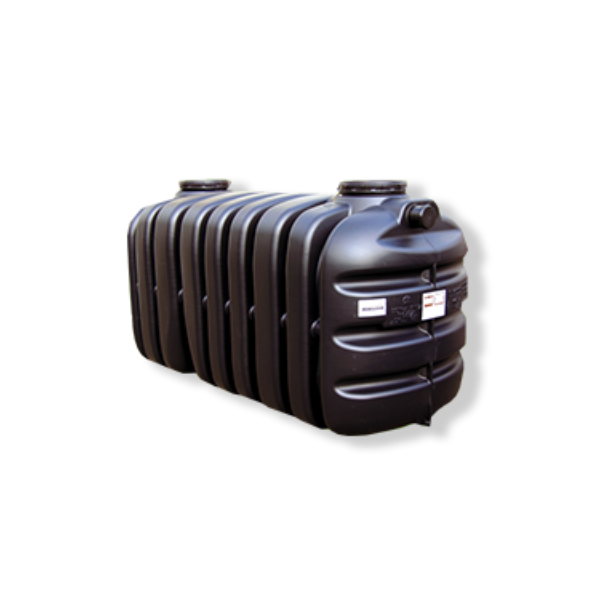
Tricel Vento Septic Tank
Shallow dig tank, strong & robust underground tank, No electrical or moving parts. Ideal for sites with good drainage & plenty of space.
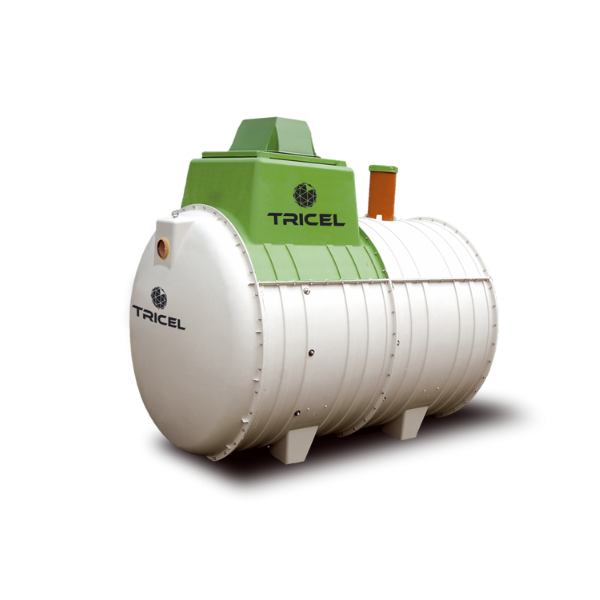
Tricel Novo Sewage Treatment Plant
Durable & long lasting SMC tank, shallow dig tank, easy installation (Plug and Play), long life components.
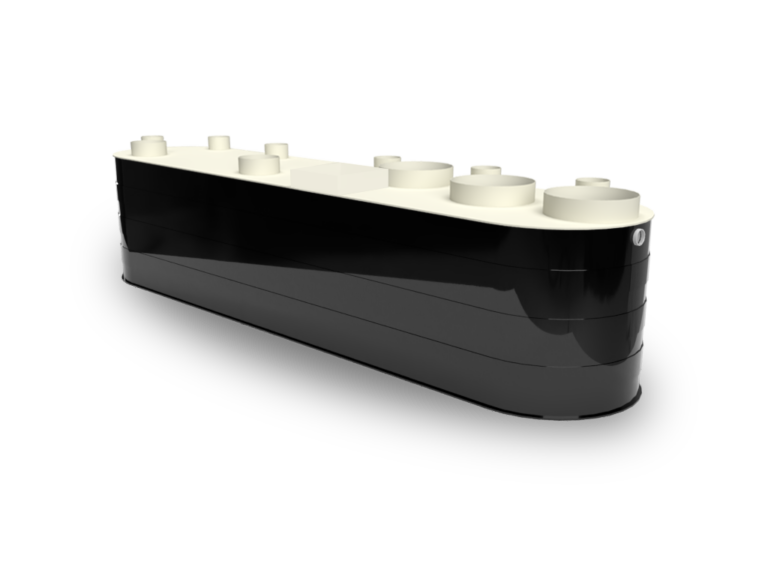
Tricel Maxus Sewage Treatment Plant
Commercial plant. Submerged Aerated Filter (SAF) technology. Ideal for project over 50 PE.
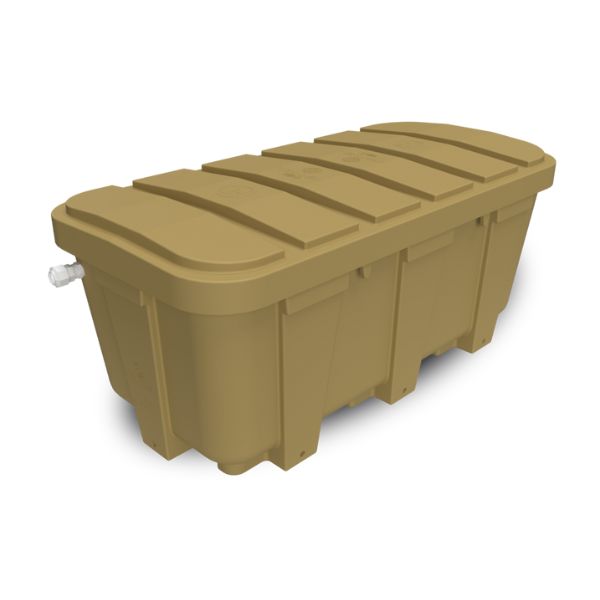
Tricel Tero Tertiary Treatment
An eco-friendly and modular system with proven E.Coli Treatment capabilities in line with the new EPA requirements.
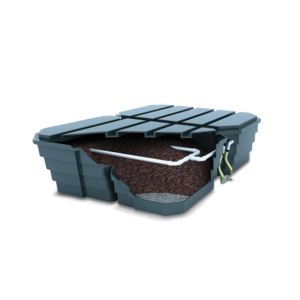
Tricel Puraflo Secondary treatment plant
Ideal for sensitive sites, compliant to Irish Standard, small footprint.
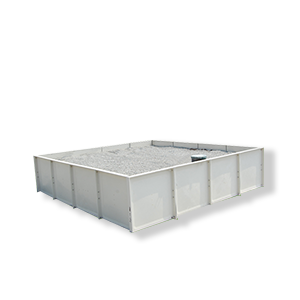
Tricel Sandcel
Sand Polishing Filter
Provides a dual function of polishing the effluent from a wastewater treatment system and disposing it into groundwater.
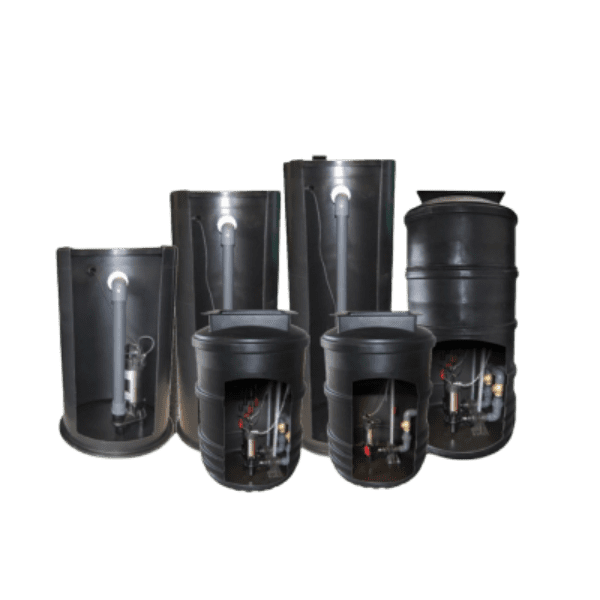
Tricel Pumping Stations
Pump fluids from one place to another where gravity drainage cannot be used, easy and trouble-free installation
Frequently asked questions for sports club and community facility wastewater treatment
What is sports club wastewater treatment?
It is the collection and treatment of wastewater from clubhouses, changing rooms, showers, public toilets, kitchens and event areas where the site is off-mains or needs a dedicated wastewater route.
How is a GAA club wastewater treatment system sized?
Around the calculated PE, number of players, teams, spectators, toilets, showers, changing rooms, clubhouse use, match-day peaks, event use, discharge route and site conditions.
Is a community hall treated as a domestic wastewater project?
Not automatically. A community hall, church or parish facility may have public toilets, events, catering and irregular peak use, so it should be reviewed on actual site use and local requirements.
What system is suitable for a visitor centre?
It depends on visitor numbers, staff use, public toilets, café activity, opening periods, peak days, discharge route and site assessment. Smaller sites may be reviewed against Tricel Novo; larger sites above 50 PE may require Tricel Maxus.
Can a wastewater system handle intermittent use?
Yes, but intermittent use must be considered during sizing. The system should be reviewed against low-use periods and peak event days, not simply sized on average use.
Why are changing rooms important for wastewater design?
Changing rooms can create high short-term demand, especially where showers are used after training or matches. Shower numbers, team numbers and fixture schedules should be included in the review.
Do public toilet blocks need wastewater treatment?
If a public toilet block is not connected to a public sewer, it may need an on-site system. The design should account for peak users, opening periods, location, discharge route and maintenance access.
Does a visitor centre need a different system if it has a café?
Possibly. A café can add kitchen wastewater, dishwashing and grease management requirements, so the café load should be included in the overall design.
Is Tricel Maxus suitable for sports clubs and visitor facilities?
Tricel Maxus is the relevant commercial range for projects above 50 PE. It may suit larger sports clubs, GAA clubs, visitor centres, tourist attractions and multi-use community facilities.
What information is needed for a quote?
Usually the site location, facility type, normal and peak use, toilet and shower numbers, visitor or spectator numbers, café or kitchen details, discharge route, ground conditions, existing system details and any planning or authority requirements.
Get in touch