
Updated June 2026
Domestic Sewage Systems
EPA Inspections
EN 12566 & S.R. 66:2015 certified
Home » Epa inspection
Regulations & compliance · Jurisdiction: Republic of Ireland
Septic tank inspections in Ireland: EPA rules, checks and enforcement
Septic tanks and other domestic wastewater treatment systems in Ireland may be inspected by trained local authority inspectors under the EPA’s National Inspection Plan. This guide explains what is checked, what an advisory notice means, how enforcement works, and what grant support is available.
Key takeaways
- An inspection checks whether the system is registered, maintained and operating without creating a risk to human health, drinking water, groundwater, rivers or the surrounding environment.
- Homeowners normally receive at least 10 working days’ written notice, and an inspector cannot enter a private dwelling without the occupier’s consent.
- In 2025, local authorities completed 1,466 inspections; 59% (863) failed, and the cumulative number of legal cases rose from 66 to 88 over the year.
- Registration no longer needs to be renewed every five years — a properly registered system stays registered.
- A failed inspection leads to an advisory notice with a remedial period typically between one and 12 months, not an automatic requirement to replace the system.
- Grants of 85% of approved costs, up to €12,000, may be available under three separate schemes.
An inspection checks whether the system is registered, maintained and operating without creating a risk to human health, drinking water, groundwater, rivers or the surrounding environment. Homeowners normally receive at least 10 working days’ written notice before an inspection.
If a system fails, the local authority can issue an advisory notice stating the problem, the remedial work required and the date by which it must be completed. Depending on the circumstances, the homeowner may qualify for grant support covering 85% of approved costs, up to a maximum payment of €12,000.
Not the same as a pre-construction site assessment
A septic tank inspection is different from the site suitability assessment carried out before a house is built. If you are planning a new development, see our separate guide to wastewater treatment reports for planning applications, which covers the EPA Site Characterisation Report, percolation testing and population equivalent sizing used at the design stage.
Latest septic tank inspection findings in Ireland
The latest available EPA report covers inspections completed during 2025.
Local authorities completed 1,466 domestic wastewater treatment system inspections in 2025. Of these, 59%, or 863 systems, failed. The EPA stated that a significant number of the failures presented a risk to human health or the environment.
(863 systems)
now fixed
(down from 523)
(up from 66)
The report also found that operational problems included inadequate maintenance and desludging, while structural problems included leaks, illegal discharges, ponding and rainwater entering systems.
Context on the 59 per cent figure
The failure percentage should not be interpreted as meaning that 59% of every septic tank in Ireland is defective. Inspections are risk-based and are concentrated in areas where faulty systems are more likely to affect rivers, groundwater or household drinking water wells.
The current National Inspection Plan
The current National Inspection Plan covers 2022–2026. It requires a minimum of 1,200 inspections nationally each year from 2023 onwards, although local authorities may conduct additional inspections where local evidence indicates a particular risk. The EPA is reviewing the present plan during 2026, and a revised National Inspection Plan covering 2027–2031 is expected to be published at the end of 2026.
The 2025 inspection results
The EPA’s most recent Domestic Waste Water Treatment System Inspections 2025 report, published in May 2026, gives the most current national picture available:
(863 systems)
The EPA reported that common reasons for failure included inadequate desludging and maintenance, unlawful discharges, leakage, ponding and rainwater entering systems. Three local authorities — Fingal, Donegal and Wexford — did not complete their full 2025 quota and are required to make up the shortfall in 2026. The number of advisory notices left unresolved for more than two years fell to 442, down from 523 in 2024, which the EPA linked partly to the increased grant support introduced in 2024.
Context on the 59 per cent figure
This statistic should not be read as meaning 59 per cent of every septic tank in Ireland would fail. Inspections are risk-based rather than a random national sample, and higher-risk locations receive greater attention, so the failure rate among inspected systems is not the same as the failure rate across the roughly half a million domestic systems in the country.
How are properties selected for inspection?
Properties are not selected solely because a complaint has been made or because a system is visibly defective. The EPA and local authorities use a risk-based process that considers potential risks to rivers, lakes and other surface waters; groundwater; household drinking water wells; public health; and sensitive or at-risk water bodies.
Within higher-risk areas, local authorities may prioritise older systems, clusters of houses, properties close to surface waters or wells and systems that have not been registered. Local knowledge of pollution incidents may also be considered.
The EPA states that the selection process uses GeoDirectory information covering houses throughout Ireland. Therefore, any property with a domestic wastewater treatment system may be selected, although the likelihood is greater in designated risk areas. Non-registration does not prevent inspection and may increase the likelihood of selection in a high-risk area.
Why are septic tanks inspected?
A correctly designed, installed and maintained system can treat and dispose of household wastewater without creating an unacceptable risk. Problems can arise where a system is not desludged when required; receives more wastewater than it was designed to treat; allows rainwater or yard water to enter; has damaged tanks, pipes or components; discharges untreated or inadequately treated effluent; causes wastewater to pond on the ground; contaminates groundwater or a private well; releases wastewater into a drain, ditch, stream or other surface water; or is not operated or serviced according to its requirements.
Faulty systems can expose people to bacteria and viruses if wastewater enters a household well or surfaces in a garden. They can also release nitrogen and phosphorus into rivers, lakes, groundwater and coastal waters. The inspection system is therefore intended to protect both household health and water quality.
Must a domestic wastewater treatment system be registered?
Owners of houses connected to domestic wastewater treatment systems are legally required to register their systems. Registration is completed through Protect Our Water, the registration service operated on behalf of local authorities, and the current fee is €50. For a full walk-through of the process, see our separate guide to septic tank registration in Ireland.
Registration does not mean the system has passed a technical assessment. It records the existence and location of the system and does not prevent the property from being selected for inspection. Before an inspection, confirm that the system has been registered, that the registered property details are correct, that a registration certificate or confirmation is available, and that any ownership details have been updated where the property has changed hands.
The Water Services Acts place separate duties on the homeowner to register the system, maintain it and ensure it does not create a risk to human health or the environment.
How much notice will a homeowner receive?
The local authority must provide written notice of a proposed inspection at least 10 working days before the inspection date. The notice should identify the proposed inspection and provide information about the arrangements. Contact the local authority directly if the proposed date is unsuitable, access to the system cannot be provided, the property details are incorrect, the system serves a different property, the house is vacant, or there is a safety or access issue the inspector should know about.
Does the homeowner have to be present?
No. The homeowner does not have to be present. However, attendance can be useful because the homeowner can show the inspector where the tank and treatment components are located; identify the percolation area or discharge point; provide maintenance and desludging records; explain recent repairs or servicing; and ask questions about observations made during the inspection.
Your legal position on access
The EPA states that no access to the house itself is normally required. The legislation also provides that an inspector cannot enter a private dwelling without the occupier’s consent.
What does a septic tank inspector check?
The inspection is concerned with the system as a whole, not only the tank. According to the EPA, the inspector may check whether the system is registered; the tank or treatment system is leaking; wastewater is ponding on the ground; wastewater is being discharged directly to surface water; rainwater or clean yard water is entering the system; the system has been maintained correctly; the tank has been desludged at appropriate intervals; and the system is affecting human health or the environment. The exact inspection will depend on the type of system and the conditions at the property.
What the inspector may check
The inspection may cover the system’s registration, physical condition, maintenance history and potential effects on human health and the surrounding environment.
The system is registered
The property’s domestic wastewater treatment system should be registered through Protect Our Water .
Wastewater is leaking or escaping
There should be no visible leakage from the tank, pipework, treatment unit or other components.
Wastewater is ponding
Untreated or inadequately treated wastewater must not collect on the ground around the tank, percolation area or polishing filter.
There is an unlawful discharge to surface water
The system should not be connected directly to a stream, drain, ditch, river or other surface water unless the discharge is properly licensed.
Rainwater is entering the system
Roof water, yard drainage and other clean surface water should not be connected to the wastewater treatment system.
The system is maintained
Tanks, pumps, alarms, aeration equipment, distribution systems and other components should be operational and in suitable repair. See our guide to wastewater system maintenance for routine checks that support this.
The tank has been desludged appropriately
Desludging intervals depend on the tank capacity, occupancy and the manufacturer’s instructions. Our guide to the desludging process covers what an authorised contractor should provide.
The system presents a risk
The inspector considers whether the system is affecting, or is likely to affect, human health, soil, groundwater, surface water or the surrounding environment.
The owner is legally responsible for operating and maintaining the system so that sewage or effluent does not leak, escape onto the ground or enter surface water without the necessary licence. Roof water and surface run-off must not enter the system.
EPA septic tank inspection preparation checklist
Receiving an inspection notice does not mean the system has already failed. Use the notice period to gather information and make the system safely accessible.
-
Confirm that the system is registered
Check that the system is registered with Protect Our Water and retain the registration details. The current registration fee is €50. The former requirement to renew the registration every five years has been removed, so a system that is already properly registered does not need to be registered again solely because five years have passed. For a full walk-through, see our guide to septic tank registration in Ireland .
-
Locate the complete system
Identify the position of the septic tank or treatment plant; all inspection covers; the percolation area or polishing filter; pumps, alarms and control panels; distribution chambers; and any private well on the property. Do not enter a tank or attempt to inspect its interior. Wastewater tanks can contain toxic gases and should only be accessed by suitably trained specialists.
-
Make access reasonably clear
Ensure covers and visible treatment components can be reached safely. Do not excavate, dismantle equipment or open components unless instructed by a competent person.
-
Gather maintenance records
Have available, where applicable, desludging receipts; servicing reports; maintenance agreements; repair invoices; alarm or pump records; commissioning records; and previous site assessment or planning documents. The owner must retain evidence or receipts from an authorised desludging contractor for five years.
-
Check powered treatment equipment
Where the system includes pumps, alarms, compressors or aeration equipment, check whether there are obvious warning lights, alarms or power failures. Arrange qualified servicing where a fault is known.
-
Check rainwater connections
Confirm that gutters, yard drains and other clean-water outlets are not connected to the domestic wastewater system.
-
Do not assume that last-minute emptying guarantees a pass
Desludging may be necessary when it is due, but an inspection also considers the tank’s condition, maintenance, discharge route, rainwater ingress, ponding and possible risks to wells or waterways. Emptying a tank does not correct structural or percolation problems.
What happens during the inspection?
At the beginning of the visit, the inspector should identify themselves and explain the purpose of the inspection. They may ask questions about the type and age of the system; the number of people using it; maintenance arrangements; desludging; recent problems; alterations to the house or system; and the location of the tank and percolation area.
The inspector will examine the relevant accessible areas and record their findings. The inspection is intended to establish whether the system complies with the applicable requirements and whether it constitutes, or is likely to constitute, a risk. There is no single official duration for every inspection; the time required depends on the system type, accessibility, records available and whether a potential fault requires further examination.
What happens if the system passes?
Where the inspector determines that the system does not contravene the relevant regulations and does not present a risk to human health or the environment, the homeowner will receive written notification of the outcome.
A pass does not remove the homeowner’s ongoing responsibilities. The system must continue to be operated correctly; serviced where applicable; desludged when required; protected from rainwater ingress; and monitored for leakage, ponding, odours or other warning signs. The Water Services Acts require the homeowner to continue ensuring that the system does not create an environmental or health risk.
What happens if the septic tank fails inspection?
If the inspector identifies a failure, the homeowner will be informed and the local authority will issue an advisory notice. The notice should explain why the system failed; the matter that must be remedied; any measures specified by the authority; the date by which the problem must be resolved; and the procedure for requesting a reinspection.
A failed inspection does not always mean the entire system must be replaced. Depending on the cause, the required response might involve desludging; restoring maintenance; repairing a damaged component; preventing rainwater from entering; repairing a leak; stopping an unauthorised discharge; improving the treatment arrangement; remediating the percolation area; upgrading the system; or replacing the system.
The correct response is site-specific. The EPA advises that a wastewater professional should demonstrate that the proposed remediation will protect human health and the environment and should work with the homeowner and local authority to determine an appropriate response.
What is an advisory notice?
An advisory notice is a formal notice issued by the local authority after a system fails inspection. Despite its name, it is not merely optional advice. The Water Services Acts allow the notice to direct the homeowner to remedy specified matters by a stated date, and failure to comply with an advisory notice is an offence. See our separate article on DWWTS inspections and enforcement for how local authorities can act where a notice is ignored.
The notice may concern a relatively straightforward maintenance issue or a more substantial structural or environmental failure. Read the notice carefully and identify the stated reason for failure; the deadline; whether immediate measures are required; whether a technical report is needed; whether local authority agreement is required before works; whether grant eligibility is mentioned; and the deadline for seeking a reinspection if the findings are disputed. Keep all communication, quotations, assessments, receipts, photographs and completion records associated with the work.
What should I do after receiving an advisory notice?
Do not immediately purchase a replacement tank without establishing what the notice requires. A suitable process is to:
-
Read the complete advisory notice.
-
Contact the named local authority officer if anything is unclear.
-
Establish whether an urgent health or pollution risk needs to be controlled.
-
Engage a suitably qualified wastewater professional.
-
Provide the professional with the notice, system records and available site information.
-
Obtain a written assessment of the cause of failure.
-
Confirm whether repair, remediation, upgrade or replacement is appropriate.
-
Check whether planning, building control or other permissions may apply.
-
Contact the local authority about grant eligibility before committing to grant-dependent work.
-
Complete the agreed work within the specified period.
-
Retain invoices, photographs, specifications and certificates.
-
Notify the local authority when the work is complete.

Can a homeowner challenge a failed inspection?
A homeowner who is dissatisfied with an advisory notice may apply to the local authority for a reinspection. The application must generally be made within 21 days of the advisory notice and accompanied by the prescribed fee, which must not exceed €20. The authorised person conducting the reinspection may confirm the notice, confirm it with changes, or cancel it. Where an advisory notice is cancelled, the reinspection fee is refunded.
A further appeal to the District Court may be available within 14 days after a notice is confirmed, but the statutory grounds are limited. Homeowners considering a court appeal should obtain independent legal advice promptly.
What happens after remedial work is completed?
When the required work has been completed, the owner should notify the relevant local authority in writing within 10 days. The authority may arrange a verification inspection. When it is satisfied that the matters in the advisory notice have been resolved, it should issue confirmation of compliance and close the case.
Retain all documentation relating to the site assessment; the agreed remedial proposal; planning or exemption confirmation; contractor tax-clearance requirements where applicable; installation and commissioning; invoices and receipts; grant approval; and verification by the local authority.
Septic tank inspection grants in Ireland
Financial support may be available for qualifying remediation, repair, upgrading or replacement work. Current domestic wastewater treatment system grants provide 85 per cent of eligible costs, up to a maximum grant of €12,000, under three schemes administered by the Department of Housing, Local Government and Heritage:
| Scheme | Eligibility route |
|---|---|
| National Inspection Plan grant | Work must arise directly from an inspection conducted under the National Inspection Plan and the subsequent issue of an advisory notice by the local authority. |
| Prioritised Areas for Action grant | The property must be situated in a Prioritised Area for Action under the River Basin Management Plan, with eligibility confirmed by a letter from the Local Authority Waters Programme Office. |
| High Status Objective Catchment Areas grant | The property must be situated in a High Status Objective Catchment Area; eligibility can be checked by entering an Eircode into the relevant catchment map. |
Routine servicing, normal maintenance and desludging do not qualify under any of the three schemes. Eligibility should not be assumed merely because a system is old or because the homeowner chooses to replace it; the local authority administers the grant and determines whether the relevant conditions have been met. In 2025, 460 grants were awarded nationally, totalling nearly €4.77 million, following a change in 2024 that raised the maximum grant from €5,000 to €12,000. For more on eligibility, see our dedicated guide to septic tank grants in Ireland.
Contact the Rural Water Section or relevant wastewater section of your City or County Council before beginning grant-dependent work.
Common reasons septic tanks fail inspection
An inspection failure may relate to how the system is maintained, its physical condition, its capacity or the way wastewater is discharged.
Inadequate desludging
Excessive sludge can reduce the effective treatment volume of the tank and allow solids to move into downstream pipework or the percolation area.
Poor maintenance
Mechanical treatment equipment, pumps, alarms, filters and other components may fail where servicing or maintenance has not been completed.
Leakage
A damaged tank, chamber or pipe can allow untreated wastewater to escape into the surrounding ground.
Ponding
Wastewater appearing on the ground can indicate hydraulic overloading, unsuitable soil, blocked distribution pipework, a damaged percolation area or another system failure. It can also create a direct exposure risk.
Unauthorised discharge to surface water
Wastewater must not be piped directly to a ditch, drain, stream or other surface water without the appropriate authorisation.
Rainwater entering the system
Roof, yard or land drainage can overload a treatment system and interfere with treatment.
System capacity problems
A system originally intended for a smaller household may not be able to manage increased occupancy, extensions, additional bedrooms or changed use. See our guide to wastewater system dos and don’ts for information about how population equivalent affects capacity.
Septic tanks and private drinking water wells
A defective septic tank or percolation area may contaminate a nearby private well with harmful bacteria or viruses.
The EPA recommends that private well water be tested at least annually, and particularly after heavy rainfall. A well should be checked promptly where there is wastewater ponding, a suspected leak, an illegal discharge, or a change in the water’s taste, smell, appearance or microbiological quality.
Where a wastewater system may be affecting a drinking water supply, obtain advice from the local authority, a qualified wastewater professional and, where appropriate, the Environmental Health Service.
How to reduce the risk of inspection failure
Homeowners should:
- Know where the tank and treatment area are located.
- Register the system, and keep the registration details up to date.
- Follow the manufacturer’s operating instructions.
- Arrange servicing where the system contains mechanical or electrical components.
- Desludge at intervals appropriate to tank capacity and household occupancy.
- Use an authorised contractor and retain receipts for five years.
- Prevent roof water and yard run-off from entering the system.
- Avoid driving or placing heavy loads over tanks and percolation areas.
- Investigate sewage smells, slow drains, alarms, leaks or ponding promptly.
- Test a nearby private well at least annually, and sooner if a fault is suspected.
Can Tricel carry out an official EPA inspection?
No. The statutory inspection is carried out through the local authority by an EPA-appointed inspector. Tricel can provide information about wastewater treatment options where a homeowner has received an advisory notice; been advised that repair or replacement may be required; identified a recurring system fault; been told that an existing system is unsuitable; or been asked to obtain a professional assessment.
Any proposed replacement or upgrade must be based on the conditions of the individual site, occupancy requirements, local authority requirements and the findings of the relevant assessor or wastewater professional. Options range from a Tricel Vento septic tank to a Tricel Novo secondary treatment plant, a Tricel Tero tertiary stage, or a pumping station where a pumped discharge is required, each backed by a manufacturer warranty. Tricel should not be presented as deciding whether a system has legally passed or failed; that determination remains with the statutory inspector and local authority.
Received an EPA inspection advisory notice?
Speak to the Tricel wastewater team about repair, upgrade or replacement options. Recommendations remain subject to site conditions, professional assessment and local authority requirements.
Before requesting a quotation, it helps to gather a copy of the advisory notice; the property Eircode; details of the existing system; household occupancy; planning or installation records; recent service and desludging records; photographs of accessible areas; and any site assessor, engineer or local authority report.
Table of Contents
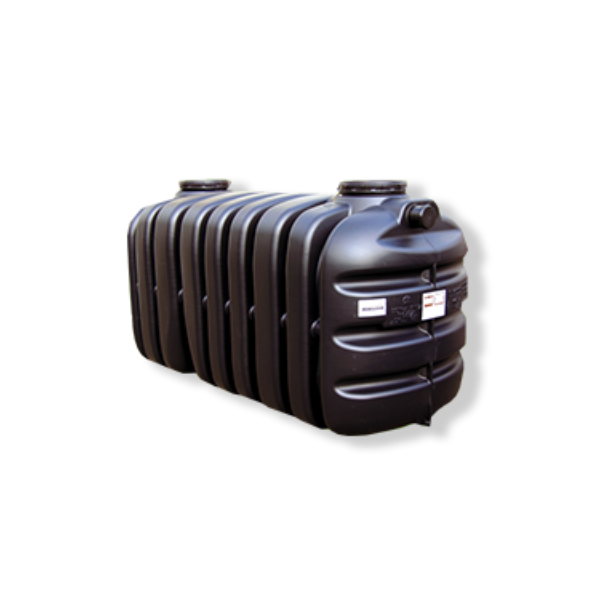
Septic tanks
Primary treatment for sites with favourable percolation results, from single-house to multi-unit capacity.
From 6 to 20 person equivalent
Septic tanks overview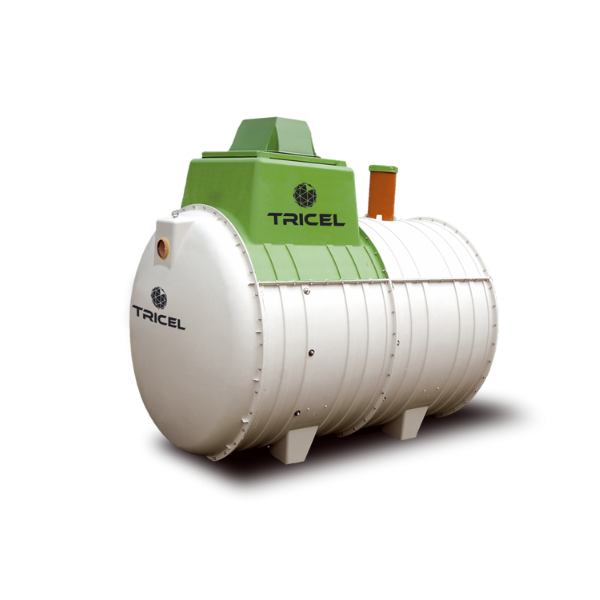
Wastewater treatment plants
Secondary treatment plants for sites where a standard septic tank and percolation area is not permitted.
Domestic & light commercial
Treatment plants overview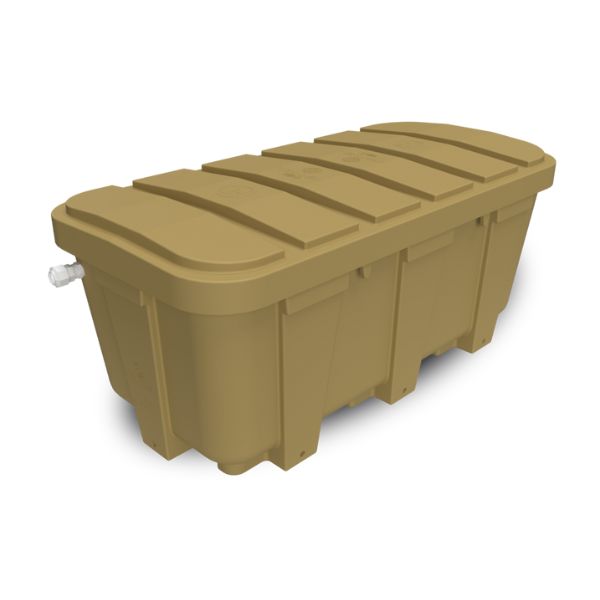
Tertiary & polishing systems
Added protection for sensitive sites, high water tables and nutrient-sensitive catchments, fitted alongside an existing tank or plant.
No-desludge polishing modules
Tertiary systems overview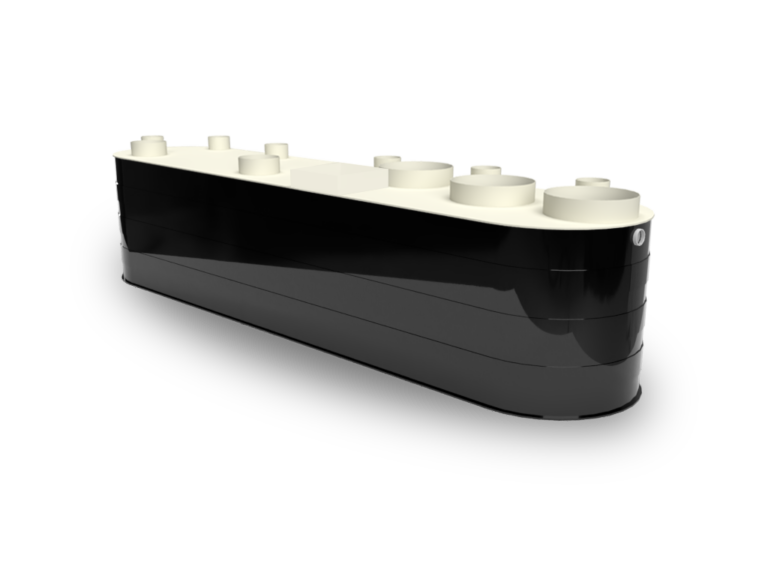
Commercial systems
Packaged and bespoke systems for hotels, schools, campsites and rural commercial premises above the domestic threshold.
Quoted to site specification
Commercial systems overview
Pumping stations
Specified wherever gravity discharge to the treatment system or sewer connection point is not achievable on site.
Domestic & commercial
Pumping stations overview
Servicing & desludging
Structured service agreements and desludging, recommended annually under the EPA Code of Practice and a legal responsibility of the owner.
Product & service, not enquiry-only
Desludging processRead more on this subject
The following Tricel articles cover related regulatory, maintenance, grant and homeowner questions that may arise alongside an EPA inspection.
EPA Code of Practice 2021
An overview of the domestic Code of Practice covering site assessment, system selection, design, operation and maintenance.
Read articleSeptic Tank Inspection
Learn how septic tank inspections are carried out, what inspectors check and what happens if an advisory notice is issued.
Read articleSeptic Tank Regulations in Ireland
The legal requirements covering registration, maintenance, inspections and homeowner responsibilities.
Read articleSeptic Tank Grants in Ireland
Information about the available grant routes, eligibility requirements and application process.
Read articleWastewater Reports for Planning Applications
How site assessments, percolation testing and wastewater reports support planning applications for off-mains properties.
Read articleWastewater System Maintenance
Routine servicing and maintenance measures that help wastewater treatment systems continue to operate correctly.
Read articleThe Desludging Process
How desludging works, when a system may need to be emptied and which records homeowners should retain.
Read articleWastewater Treatment Systems: Do’s & Don’ts
Everyday household practices that help protect the treatment process and reduce the risk of system problems.
Read articleSelling a Property with a Septic Tank
Registration certificates, inspection information and wastewater records that may be relevant during a property sale.
Read articleWastewater Treatment Warranties
Information about warranty cover for Tricel wastewater treatment systems and their components.
Read articleWastewater Treatment FAQ
Answers to common questions about domestic wastewater systems, operation, maintenance and ownership.
Read articleFrequently asked questions about EPA inspections
Answers to common questions about domestic wastewater treatment system and septic tank inspections in Ireland.
Is an EPA septic tank inspection carried out by the EPA?
The inspection is normally carried out by a trained City or County Council inspector who has been appointed by the EPA. The EPA prepares and supervises the National Inspection Plan.
How much warning will I receive?
You should receive at least 10 working days’ written notice before the proposed inspection.
Do I have to be present?
No. The homeowner does not have to be present, but attending can be useful because you can identify the system, provide records and discuss any observations with the inspector.
Does the inspector need to enter my house?
Access to the interior of the house is not normally required for a domestic wastewater treatment system inspection.
Can my septic tank be inspected even if it is registered?
Yes. Registration is a legal requirement, but it does not exempt a system from inspection.
Can I be inspected if I live in a low-risk area?
Yes. Inspections are concentrated in higher-risk areas, but all relevant areas of the country are covered and every qualifying property may be selected.
Does an old septic tank automatically fail?
No. Age alone does not automatically determine the outcome. The inspector considers condition, operation, maintenance, compliance and risk to human health or the environment.
Will I have to replace the system if it fails?
Not necessarily. Some failures can be addressed through maintenance or repair. Other sites may require remediation, an upgrade or complete replacement, depending on the failure and site conditions.
How soon will I receive the result?
Homeowners are informed of the inspection result. Where the system fails, an advisory notice is issued explaining the reasons, required response and compliance deadline, under the applicable statutory notification periods.
Can I apply for a grant after failing?
A grant under the National Inspection Plan may be available where qualifying work arises directly from an inspection and advisory notice. The local authority must confirm eligibility. Routine maintenance, servicing and desludging are not covered.
Is the €12,000 grant paid automatically?
No. The maximum grant is not an automatic payment. The scheme currently covers 85 per cent of eligible costs up to €12,000, subject to its terms and the local authority’s assessment.
What happens if I ignore an advisory notice?
Failure to comply with an advisory notice is an offence. The local authority may pursue enforcement, including prosecution where warranted.
How long should I keep desludging records?
EPA guidance states that records of sludge removal and maintenance should be retained for five years.
Does a direct pipe to a ditch cause an inspection failure?
A direct discharge to a ditch, stream or other surface water is a significant concern unless it has the required authorisation. The inspector will check for direct surface-water discharges.
Get in touch